What Liquor Is Nassau Known For?
Rum is the liquor Nassau is known for, and this guide covers the brands, the signature cocktails, the beer, and the tours that pour them.
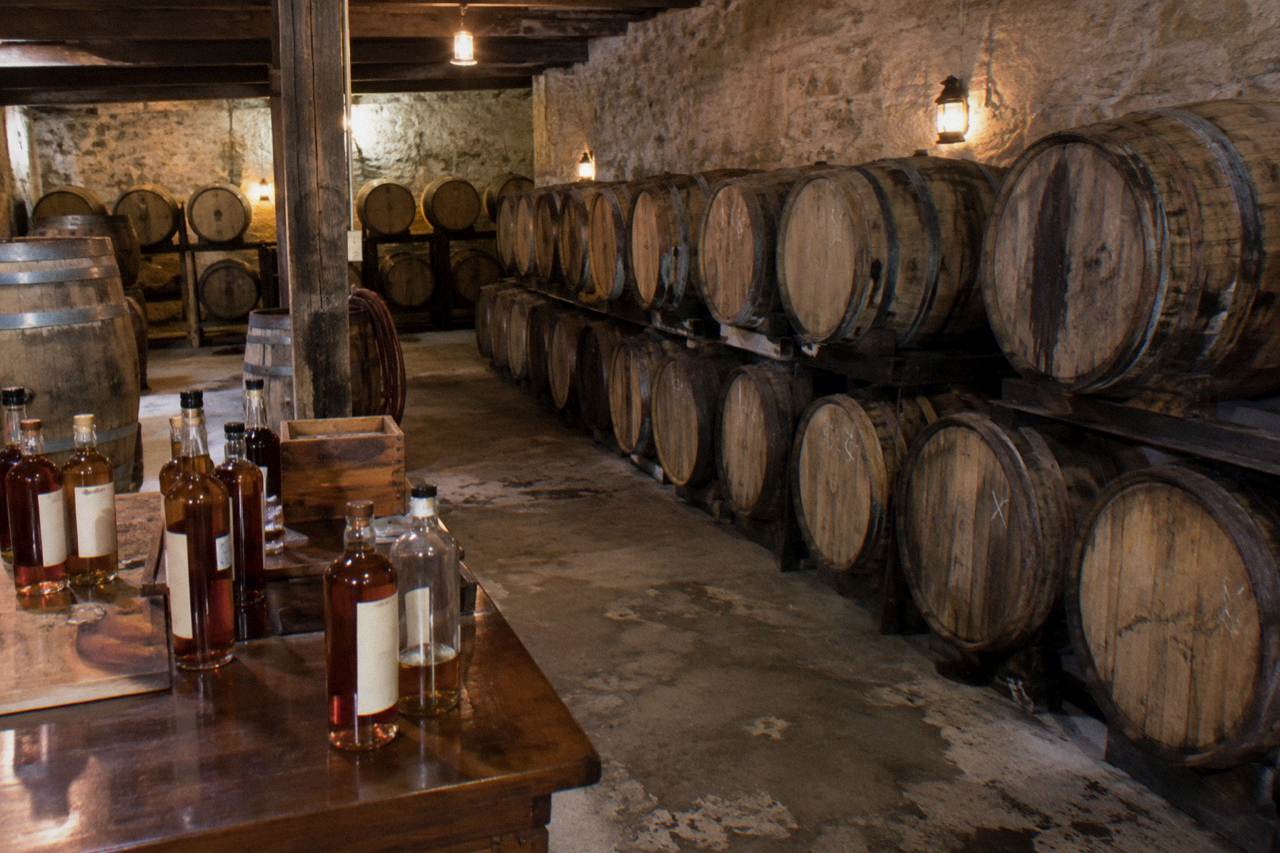
Rum is the short answer, but the full answer is a whole shelf. Nassau's drinking identity runs through a 1789 estate where rum is still hand-blended and barrel-aged, through cocktails invented on a quiet Out Island, through a rum cake that has carried the country's official endorsement for over a decade, and through two homegrown beers that locals drink by the case. Visitors who arrive expecting one generic Caribbean pour usually leave knowing brand names, ratios and a slice of Prohibition history.
This guide lays out what Nassau actually pours, brand by brand, then shows how to taste it properly rather than guess at a bar menu. The distillery experiences, the walking tour and cocktail classes on this site are the practical route in, and the best of them appear below.
Nassau is known for rum, first and unmistakably. The city anchors a national identity built on molasses-based, small-batch rum produced at the historic Buena Vista Estate, served as Goombay Smash and rum punch, baked into official rum cakes, and poured at tastings across the island. Beer, led by Kalik and Sands, and the Bacardi-made liqueur Nassau Royale fill out the shelf.
Rum's dominance here is not a marketing invention. The Bahamas spent Prohibition years as one of the main transshipment points for liquor heading to the United States, with Bay Street warehouses reportedly holding tens of thousands of cases, and the port's own promotional copy still celebrates the country's "days as a rum-running paradise." That history is covered in more depth in the site's piece on Nassau rum running history. The modern expression of it is quieter but tangible: a working distillery in a 1789 estate house, a rum cake industry, and a cocktail culture with two signature drinks visitors ask for by name.
What surprises many first-time visitors is how small and concentrated the production side is. There is no sprawling distillery district; one estate on Delancy Street carries most of the weight, and the rest of the local identity lives in blending, baking and bartending. That concentration is actually a convenience. Almost every rum experience on this site touches the same handful of addresses, which means a single well-chosen tour can cover the distillery, the cocktail culture and the food pairings in one afternoon.
The shelf also changes shape depending on where you drink. A hotel bar on Paradise Island stocks differently from the tavern at the estate, and both differ from what the duty-free cabinets at the port carry. Knowing the brand names before you land is what separates a deliberate tasting trip from a string of unremarkable pool drinks, and the rest of this article exists to give you those names in order.
John Watling's Rum: The Name That Anchors Nassau Distilling
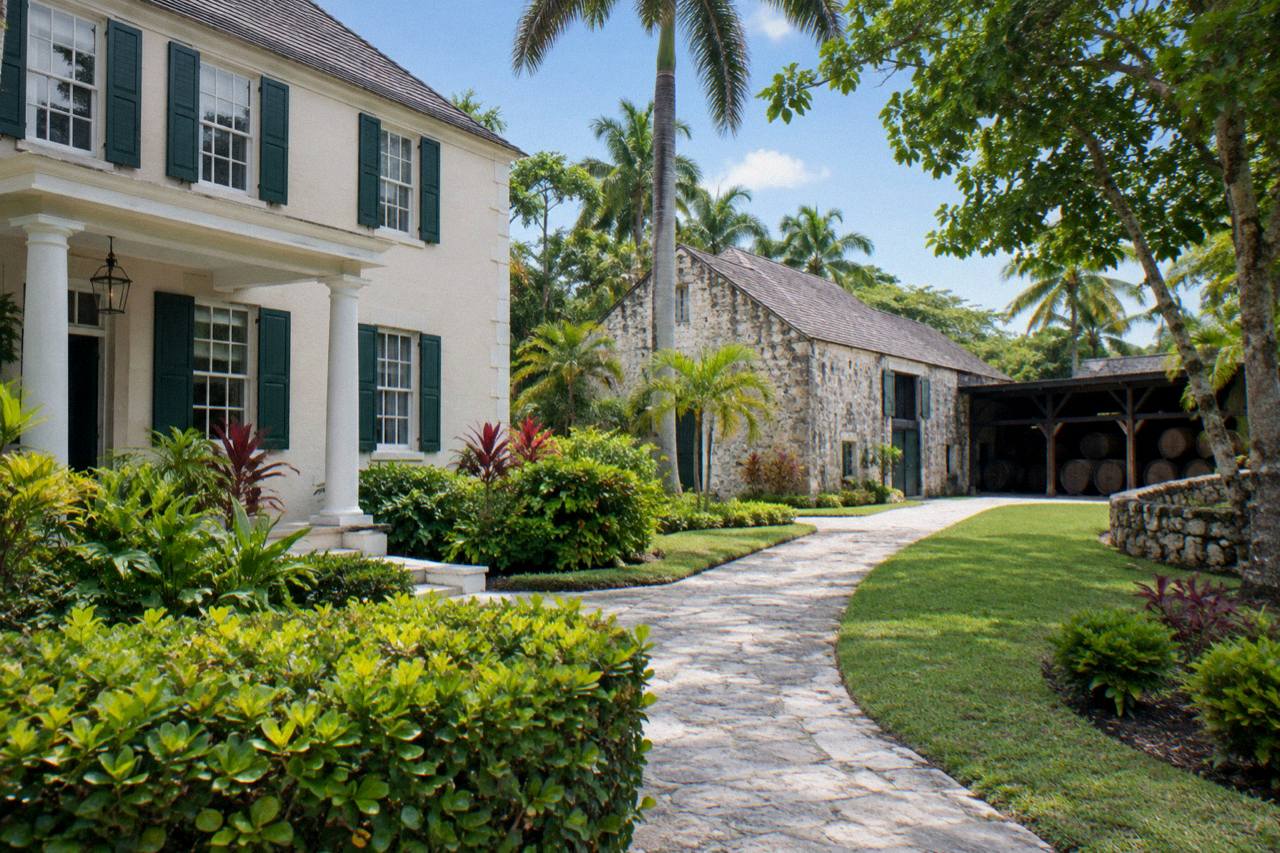
John Watling's is the rum most associated with Nassau, produced at the Buena Vista Estate established in 1789. The distillery's own pages describe small-batch, molasses-based rums that are pot and continuous distilled, hand-blended, and aged in ex-Bourbon barrels. Its free walk-in visit and paid tastings make it the single easiest place in the city to taste local rum.
The estate sits at 17 Delancy Street, a 10 to 15 minute uphill walk from the cruise terminal at Prince George Wharf, or about a 5 minute taxi ride at roughly $8 to $10 by the distillery's own directions page. The distillery states that visitors are welcome daily from 10:00 AM to 6:00 PM, excluding Bahamian national holidays, without booking a tour or paying an entry fee, with minors accompanied by an adult. The free visit concludes at the Tavern, where signature cocktails are sold. The route from the terminal, turn by turn, is described in the guide to walking to John Watling's from the cruise port.
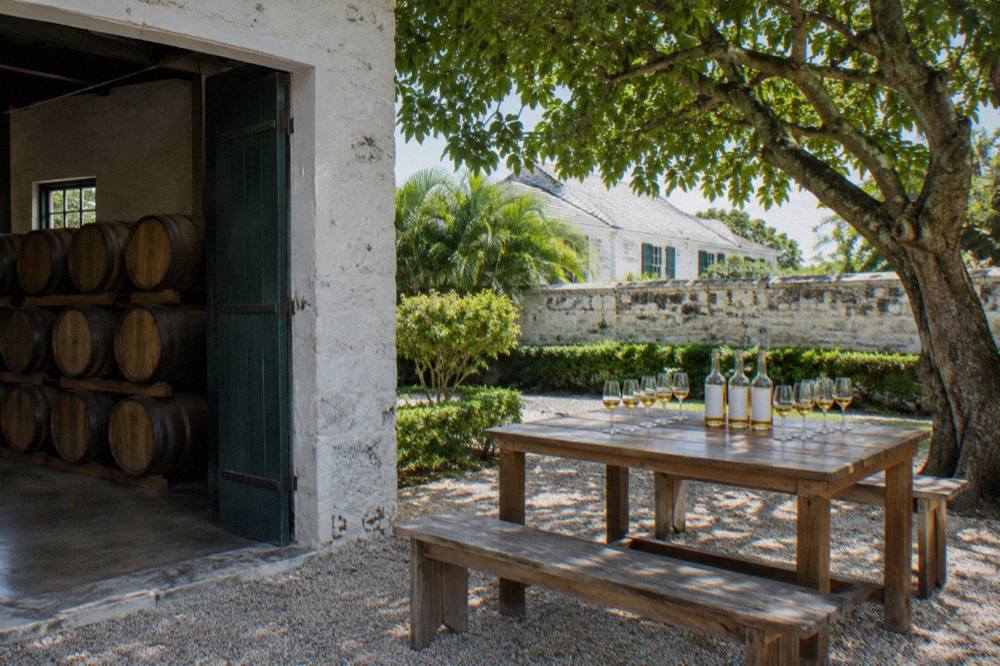
The range goes well beyond a souvenir bottle. The distillery's site lists Pale, Amber aged three years, Buena Vista at five years, Paradise aged four and six years then finished in ex-Sherry casks, a 10-Year-Old Bullion matured in ex-Cognac casks, Gun Cay at two years, plus an Elixir expression and even a pink-sand-filtered vodka. That spread is the core of the site's guide to the best rum in the Bahamas. The brand is named for a 17th-century buccaneer known as the Pious Pirate, and the estate has appeared in a James Bond film, according to the distillery's history page.
For readers who want the short verdict before digging into cask finishes, is John Watling's rum good answers it from the same angle, and is John Watling rum sold in the US covers whether the bottles travel, since the distillery's site offers both a Bahamian and an American shop.
The paid experiences sit on top of the free visit. The distillery's visit page lists bottle-your-own at $20, a 45 minute rum tasting at $80, a mixology class at $80 and cannon firing at $50. Several of these are also bookable on this site at the same prices, and John Watling's experiences compared lays out the comparison.
| Experience at the estate | Basis | What it involves |
|---|---|---|
| Free walk-in visit | No fee, no reservation per the distillery's visit page | Estate and production areas, ends at the Tavern |
| Bottle Your Own | From $20 per person | Fill, wax-seal and label a 250ml bottle of Amber rum |
| Rum Tasting | From $80 per person | 45 minutes, six different rums, completion certificate |
| Mixology class | From $80 per person | 45 minutes, three crafted cocktails, certificate |
The Rum Tasting Experience at John Watling's Distillery carries a 4.7 rating from 15 reviews, runs 45 minutes with up to 20 guests, and lists free cancellation. The full cost picture, including how the paid sessions stack against the free visit, is worked through in how much it costs to tour John Watling's.
Goombay Smash And Bahamian Rum Punch: The Signature Drinks
Nassau's two signature rum drinks are the Goombay Smash and Bahamian rum punch. The Goombay Smash was created in the 1960s by Emily Cooper at Miss Emily's Blue Bee Bar on Green Turtle Cay, with the exact recipe still a guarded family secret. Rum punch follows the classic Caribbean ratio: one sour, two sweet, three strong, four weak.
The Goombay Smash story is one of the better drinking histories in the Caribbean. Food and Wine's reporting traces the drink to the 1960s at Miss Emily's Blue Bee Bar, created by Emily Cooper, universally known as Miss Emily, who by family account never tasted her own famous cocktail because she did not drink and was allergic to pineapple. Confirmed elements include coconut rum and pineapple juice; the full recipe is guarded today by her granddaughter. A version of the drink is served at Curly's at Arawak Cay in Nassau, which is the closest most visitors get to the original without a ferry to Green Turtle Cay.
The irony of the drink's origins is worth sitting with for a second. The most famous Bahamian cocktail was invented by a woman who could not drink it, on an Out Island far from Nassau, and its exact formula remains private family property. Every version you are poured in Nassau, from hotel bars to party buses, is an interpretation rather than the canonical recipe, which is part of why tasting it in several places is genuinely fun rather than repetitive.
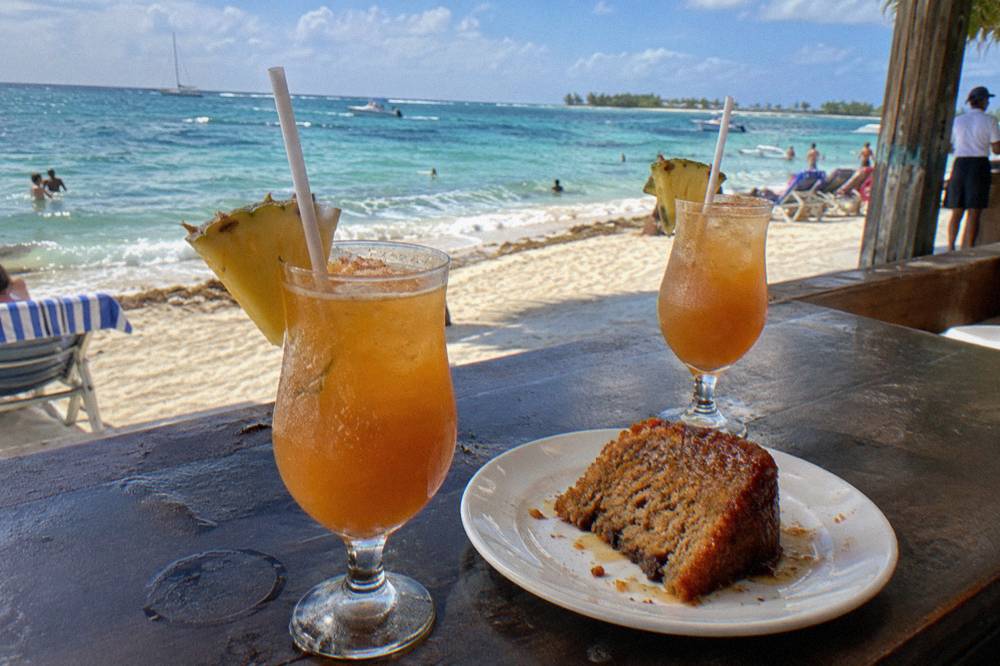
Rum punch is simpler and everywhere. The traditional Bahamian build follows the Caribbean ratio of one part sour, typically lime or citrus, two parts sweet such as syrup or grenadine, three parts strong, the rum, and four parts weak, water, ice or juice, often finished with grated nutmeg. The Bahamian rum punch and Goombay Smash guide covers both drinks in full, including where each tour pours them. The shared Rum Reggae and Rhythms tour lists its own rum punch, the "sip slow," among its inclusions.
Beyond the big two, keep an eye out for Sky Juice, a mix of gin, coconut water, sweetened condensed milk and nutmeg that the Junkanoo party bus tour lists among its tastings alongside conch salad. It is not a rum drink, but it is unmistakably Bahamian and appears at the Fish Fry at Arawak Cay more often than on hotel menus. Learning to mix the rum drinks yourself is its own category of experience on this island, and the options are compared in the guide to Nassau mixology and cocktail classes.
Ricardo, Nassau Royale And The Other Bottles On The Shelf
Beside John Watling's, Nassau's shelf includes Ricardo rum, including a popular coconut expression used in local cocktails, and Nassau Royale, a Bacardi-produced rum liqueur associated with Bahamian desserts that recent traveler reports say has become hard to find. These smaller bottles matter because bars mix with them daily even when tourists ask only for the distillery name.
Ricardo is the workhorse. Associated with Commonwealth Brewery, the brand's coconut rum shows up in Goombay Smash variations and in cocktails at John Watling's Tavern, and around 2025 the brand launched ready-to-drink canned cocktails including Smashin' Goombay and an 8% ABV Hard Switcha. If a Nassau bartender hands you something coconut-forward and lightly sweet, it probably started with Ricardo rather than an imported bottle.
Nassau Royale runs the other direction: toward rarity. The Bacardi-produced liqueur, long used in Bahamian cooking with bananas and cream, has been reported as difficult to find or possibly discontinued in some outlets by travelers over the past couple of years. If a duty-free shop has a bottle, that may be the last easy place to grab one. For everything you can legally carry home, including the one-liter US personal exemption for travelers 21 and older, see the guide on bringing rum home from Nassau.
| Bottle or brand | What it is | Where it shows up |
|---|---|---|
| John Watling's Pale, Amber, Buena Vista and older expressions | Small-batch aged rum, estate produced | Distillery Tavern, island bars, tour tastings |
| Ricardo Coconut | Coconut rum used in mixed drinks | Goombay Smash variations, canned RTD cocktails |
| Nassau Royale | Bacardi-produced rum liqueur | Dessert recipes, dwindling retail availability |
| Ole Nassau | Rum used to soak the official rum cakes | Bahamas Rum Cake Factory products |
A practical note on buying: one change to Bahamian liquor law took effect on January 1, 2026, and it occasionally confuses arriving visitors who read a headline about a "ban." What the reform actually does is end retail alcohol sales through window cages, take-away restaurants and drive-throughs under the Business Licence reforms, as reported by the Bahamas Hotel and Tourism Association. It concerns how shops sell take-away liquor, not what visitors may drink. Bars, restaurants, distilleries and licensed tasting venues are unaffected, so nothing in the change touches a tasting tour, a tavern cocktail or a rum cake purchase.
Rum Cake: The Liquor You Can Eat
Nassau is also known for rum cake, specifically the bundt-style cakes produced by the Bahamas Rum Cake Factory at 602 East Bay Street, marinated in Ole Nassau rum and recognized as the Official Rum Cake of The Bahamas since 2014. Free samples are available at the bakery itself.
The cake factory is a genuine stop rather than a gift-shop afterthought. Its own FAQ page lists hours of 7:30 AM to 4:00 PM Monday through Saturday and 8:00 AM to 2:00 PM Sunday, with free samples offered at the bakery only. Several island tours build a stop around it: the city highlights tour with cave and rum tasting lists a rumcake tasting at the factory among its inclusions, and the historic ATV buggy tour lists rum cake samples among its stops.
The cake travels better than bottles, which matters given airline liquid rules, and it makes the duty-free question simple. The full picture, from flavors to shipping, is in the Bahamas rum cake guide. The 2026 retail-sales change described earlier does not affect it either, since the cake is a bakery product rather than a bottled spirit.
It is also one of the few pieces of Nassau's liquor identity available to non-drinkers and younger travelers. The cake contains rum as an ingredient, but it is sold as food, and tours treat the tasting stop as a snack stop rather than a bar stop. Families weighing which experiences work across a mixed group will find the options sorted out in the guide to rum tours in Nassau with kids and non-drinkers.
Kalik And Sands: The Beer Side Of Nassau
Nassau's beer identity rests on two local brews: Kalik, launched in 1988 and brewed by Commonwealth Brewery in Nassau, and Sands, launched in 2007 by the 100% Bahamian-owned Bahamian Brewery and Beverage Company. Both come in light and stronger variants and are what the island actually drinks by volume.
Kalik is the best known, with Kalik Gold and Kalik Light in the family, brewed in Nassau with long-standing international brewing involvement. Sands launched on December 15, 2007 under the banner "Truly Bahamian," with Sands Light and radler variants following. Order either at a beach bar and you are drinking locally; order an imported lager and you are not.
Beer rarely drives an itinerary the way rum does, but it fills the gaps. Several rum tours position a beach stop or a food stop alongside the tastings, and that is where the local lagers fit: after the ATV tour's rum tasting and beach stop, or alongside conch at the Fish Fry. For the food side of that pairing, see the Bahamian food guide for visitors.
One note for conch lovers planning the beer-and-fritter leg of the day: in late October 2026 the Bahamas Agricultural Health and Food Safety Authority launched an investigation into suspected conch contamination and advised eating only well-cooked conch, heated through, rather than raw. Conch fritters, which are fried, fit that advice; raw conch salad is the item to skip until the advisory clears. Most tour tastings feature the cooked fritter form.
How To Taste Nassau's Liquor Without Guessing
The efficient way to taste Nassau's liquor is a structured tour: the 45 minute distillery tasting for depth, a walking food and rum tour for breadth across cocktails and bites, or a cocktail-making class for the recipes you can reproduce at home. Prices run from $35 for a speakeasy tasting to $98 for the most-reviewed walking tour.
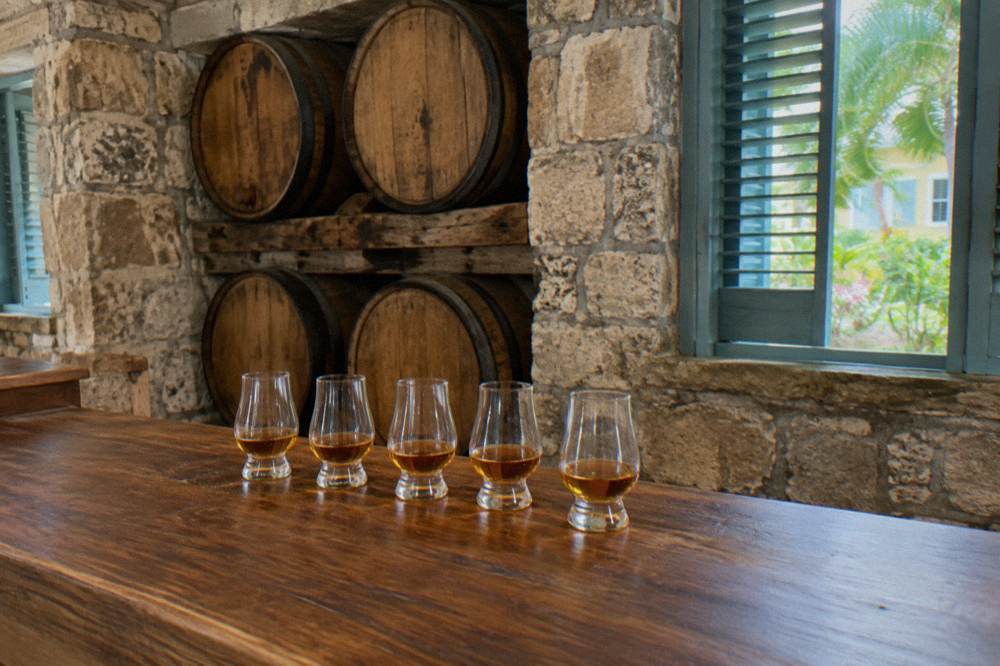
The most reviewed tour here is the Rum Tasting and Food Walking Tour in Nassau, rated 4.9 from 1,180 reviews, from $98 per person for three hours, capped at 12 guests. The listing includes five rum tastings, three cocktails, a rum tasting tutorial, a mixology session, conch fritters, infused appetizers and rum cake, starting at John Watling's Distillery. It is, in one booking, nearly everything this article describes: the estate, the aged expressions, the cocktails and the cake.
A different format suits different travelers. The rum cocktail and conch fritter class, from $90 per person for two hours, teaches two cocktails and pours a tasting of eight rums, the widest rum spread of any tour here. At the other end of the time budget, the private spirits tasting at a downtown speakeasy runs 45 minutes from $35 per person, rated 5.0 from 48 reviews, with a rum cocktail and a three-rum flight. Cruise passengers short on hours can compare timings in the guide to fitting a rum tour into a Nassau cruise stop.
Booking terms deserve one line of caution. Minimum ages vary, from 18 on the walking tour to check-the-listing on others, and every tour here lists free cancellation, but read the terms of the specific product you book. The drinking age question, including how cruise lines apply their own 21-and-over rules on board, is unpacked in the guide to Bahamas drinking age and rum tasting rules.
Whatever you choose, the smart sequence is the one this article follows: taste the aged rums first while your palate is fresh, move to the cocktails, and finish with food. Nassau's liquor culture rewards that order, because the subtle cask finishes at the estate are easy to miss after two Goombay Smashes.
Common Questions About Nassau Liquor
What Liquor Is Nassau Known For?
Rum, above all else. Nassau's identity centers on John Watling's small-batch rums from the 1789 Buena Vista Estate, the Goombay Smash and rum punch cocktails, official rum cakes soaked in Ole Nassau rum, and locally brewed Kalik and Sands beer alongside the rare Nassau Royale liqueur.
Is Nassau Rum Different From Other Caribbean Rum?
Bahamian rum from John Watling's is molasses-based, pot and continuous distilled, hand-blended and aged in ex-Bourbon barrels, with older expressions finished in ex-Sherry and ex-Cognac casks. Production is small-batch at a single historic estate rather than industrial scale.
Can You Taste Rum In Nassau Without Paying For A Tour?
Yes. The distillery's visit page states the Buena Vista Estate is open daily 10:00 AM to 6:00 PM excluding Bahamian national holidays, with no reservation and no entry fee, and a complimentary cocktail sample is offered. Paid tastings and classes start at $20 for bottle-your-own.
What Is A Goombay Smash?
A rum cocktail created in the 1960s by Emily Cooper at Miss Emily's Blue Bee Bar on Green Turtle Cay. Confirmed ingredients include coconut rum and pineapple juice; the exact recipe remains a family secret. A version is served at Curly's at Arawak Cay in Nassau.
Can You Bring Bahamian Rum Back To The United States?
US residents 21 and older may include one liter of alcohol in the personal exemption for personal use, subject to the laws of the arrival state. Cruise lines typically hold port-bought bottles until the end of the voyage, so check your line's policy.