Bringing Rum Home From Nassau: Allowances And Cruise Rules
Nassau makes buying rum easy. Getting the bottle home is where the rules start: two different customs allowances, a cruise line that may hold your purchase until the last night, and a suitcase that needs to survive a flight.
Short answer
Yes, adults can bring rum home from the Bahamas. The Bahamas allows one quart of spirits on arrival, and returning US travelers 21 and older may include one liter in the personal exemption, subject to state law. Cruise lines hold most port-bought liquor until the end of the voyage.
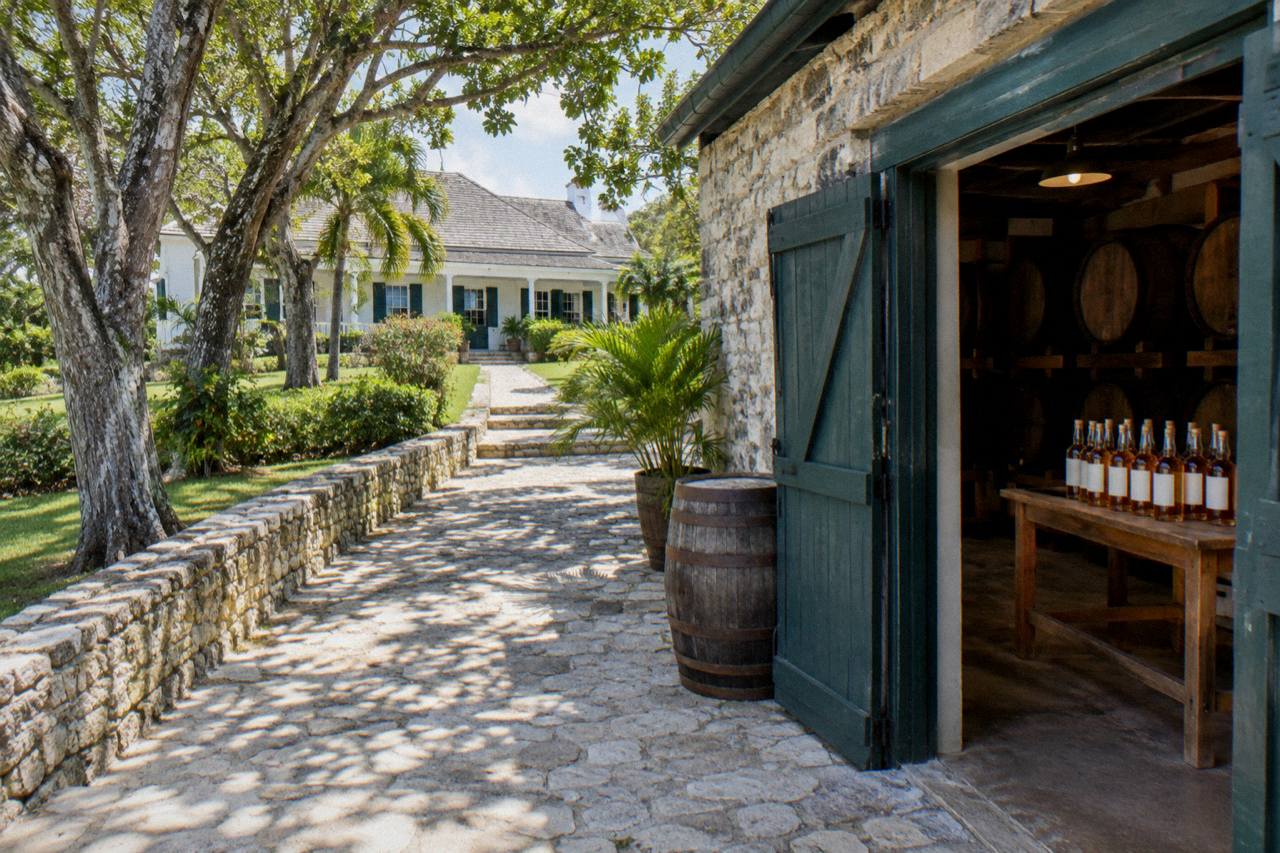
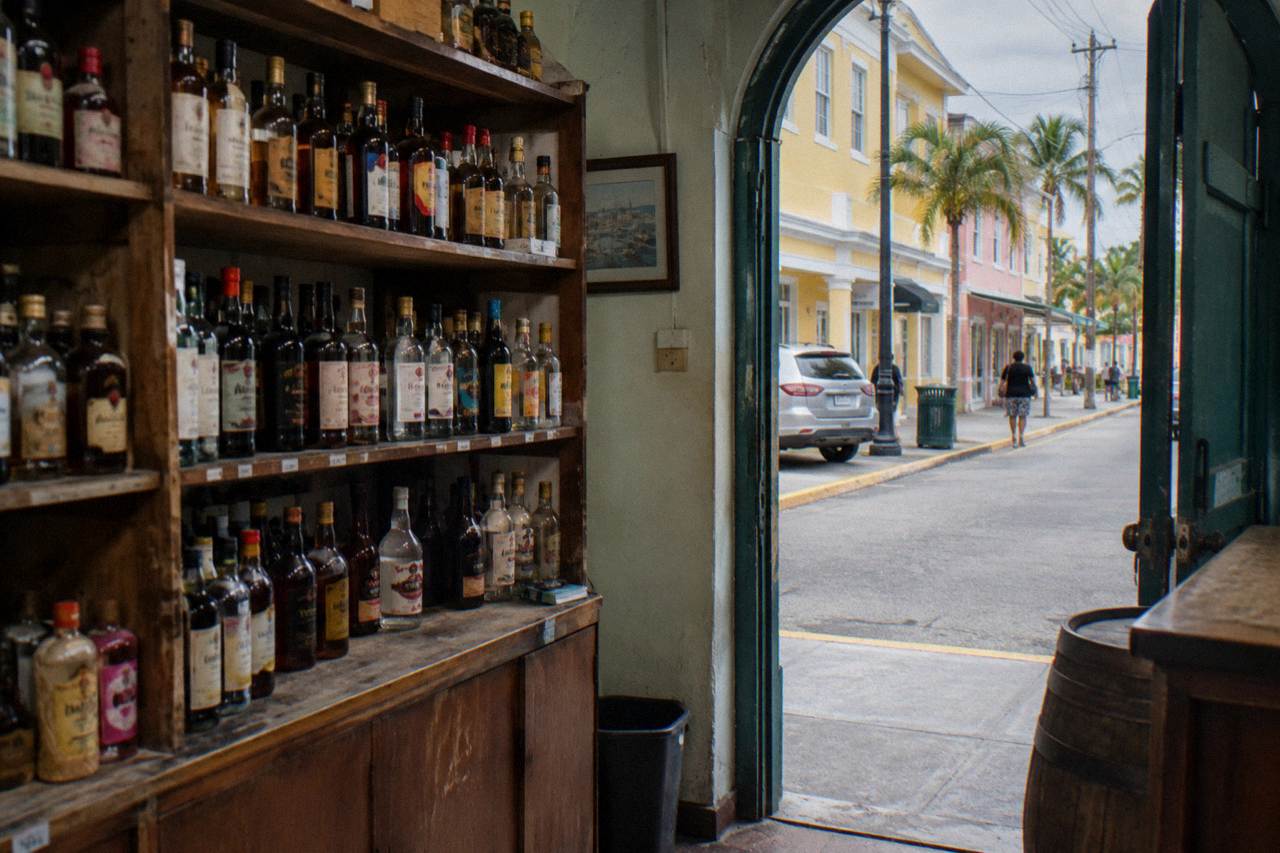
Nassau sells rum in plenty of places: the distillery on the hill, the duty-free shops along Bay Street, the rum cake bakery on East Bay Street, and the tasting rooms. The catch comes after the purchase. A bottle bought at 10 a.m. has to clear a cruise line gangway policy, then a US customs allowance, then a checked bag or a carry-on rule, and each of those three gates has its own logic. This guide walks all three in order. If you are still choosing where to buy, the trip picker compares the tasting options side by side, and Nassau Rum Tours keeps every current listing in one place.
Can I Bring Rum Back From The Bahamas?
Yes. Adults can buy rum in the Bahamas to take home, and US travelers 21 and older may include one liter of alcohol in the personal exemption on return, subject to state law. Nothing in the 2026 Bahamas licensing reforms restricts a visitor from buying or drinking at licensed venues.
The two numbers people confuse are the arrival allowance and the return allowance. When you arrive in the Bahamas, Bahamas Customs permits adults to bring in "alcoholic beverages not exceeding one quart of spirits and one quart of wine," per the official arriving visitor page. That governs what you carry in, not what you carry out. On the way back, US Customs and Border Protection allows one liter of alcohol inside the personal exemption for travelers 21 or older, for personal use, provided it does not violate the arrival state's laws. Up to two liters total can go duty free if at least one liter was produced in a Caribbean Basin country, which Bahamian rum qualifies as.
A common worry in 2026 is the new Bahamas alcohol rule. Since January 1, 2026, selling alcohol through window "cages," take-away restaurants and drive-throughs is banned under the Business Licence reforms, as the Bahamas Hotel and Tourism Association reported. That is a retail-channel change aimed at take-away sales windows. It does not stop visitors drinking, and it does not stop licensed bars, restaurants, distilleries and liquor stores selling bottles normally. Your John Watling's purchase is unaffected.
Where you buy matters for packing. Keep the original seal intact if your route home involves a cruise ship, because Royal Caribbean returns port purchases only in the original sealed package.
How Much Rum Can You Bring Into The US Duty Free?
US travelers 21 and older may include one liter of alcohol in the $800 personal exemption after a stay of 48 hours or more outside the country, for personal use and within the arrival state's laws. A second liter can also enter duty free when at least one of the two is produced in a Caribbean Basin country.
The personal exemption rules carry conditions worth reading once. CBP's customs duty information page spells them out: the goods must accompany you, the 48-hour and 30-day conditions apply to the exemption, and alcohol counts only for travelers at least 21. State law governs the amounts beyond that, and a few states restrict how much liquor you may bring in for personal use, so for a three-bottle haul, check your state.
| Leg of the trip | Who sets the rule | The allowance | Key condition |
|---|---|---|---|
| Arriving in the Bahamas | Bahamas Customs | One quart of spirits plus one quart of wine | Adults only |
| Returning to the US | US Customs and Border Protection | One liter of alcohol inside the personal exemption | Age 21 or older, personal use, 48+ hours abroad |
| Second liter, Caribbean Basin product | US Customs and Border Protection | Up to two liters total duty free | At least one liter produced in a Caribbean Basin country |
| Beyond the exemption | US Customs and Border Protection | Duty and tax apply on the excess | Declare it; rates are assessed at entry |
Note what the table does not say. The binding numbers are the US side. If you buy at a tasting-heavy stop such as the featured food and rum walking tour, the 98-dollar, three-hour walking tour rated 4.9 from 1,180 reviews, the distillery is the first stop, so buy your bottle at the end of the day rather than carry it around the route.
The table above is the whole allowance picture in four rows. Between CBP and Bahamas Customs, no other authority limits a personal bottle run, with one big exception: your ship.
Will The Cruise Line Take My Bottles At The Gangway?
On most major lines, yes, temporarily. Beer and hard liquor bought in port are typically collected at the gangway, stored, and returned at the end of the voyage, per the lines' published policies. Royal Caribbean's own FAQ states port purchases are held and returned on the last day, and other lines differ, so check yours before buying.
This is the rule that surprises first-time Nassau visitors. You buy a bottle at the distillery, walk back to Prince George Wharf, and the crew holds it for you. You get it back the night before disembarkation. The cruise line is not confiscating it; it is storing it until the end of the voyage. Royal Caribbean's official alcohol policy puts it plainly: guests may not bring beer or hard liquor on board, and alcohol purchased at ports is stored and returned at the end of the cruise if it is in the original sealed package.
That sealed-package clause is the practical takeaway. Keep the receipt with the bottle, keep the seal intact, and do not open it for a cabin nightcap, because an opened bottle will not be returned at the end of sailing under most lines' stated terms.
One embarkation-day exception recurs across the major lines: a single sealed 750ml bottle of wine or champagne per adult is often permitted at the start of the cruise, sometimes with a corkage fee if you drink it in public areas. Rum does not qualify.
If your route home is a flight rather than a ship, none of this applies, and the rules shift from the cruise line to the TSA and your airline, which is the next section.
Can You Carry Rum Onto The Plane Instead?
No full-size bottle of rum can go through airport security in a carry-on bag, since liquid limits bar anything beyond small travel-size containers, so rum bought in Nassau must fly checked on any US-bound flight. Buy it after security in a duty-free shop and it may travel as a carry-on only if it stays sealed with the receipt attached, and rules tighten on connecting international flights.
The liquid rule does what it always does. A 750ml bottle of John Watling's Amber cannot ride in your roller bag through the checkpoint. Check it, wrapped, or buy in the sterile area. Duty-free purchases made after security are the exception, in a sealed tamper-evident bag with the receipt visible, and that exception survives a direct flight home. It can fail on a connection: if your itinerary links two international flights, or an international flight to a domestic leg, some airports require the bag to be rechecked, which puts it back under the liquid rule. The safe pattern is a nonstop, or a checked bag, or both.
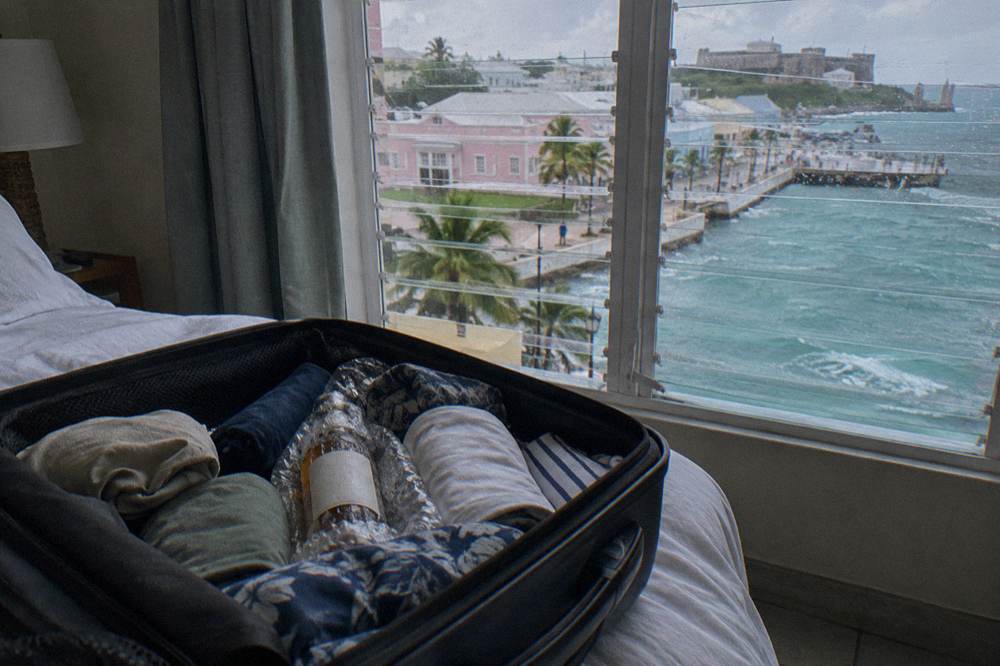
Packing advice that actually survives baggage handling: keep the bottle in its original box if the distillery gave you one, center it in the suitcase surrounded by soft goods, and double-bag it regardless, since a broken bottle ruins everything else in the case. Hard-sided luggage does the rest. Travelers who book the bottle-your-own experience, a 250ml hand-filled bottle, have it slightly easier, since a smaller bottle packs into a shoe.
Which Bottles From Nassau Travel Best?
The travel-friendliest purchases are boxed 750ml bottles from the distillery store, the hand-sealed 250ml bottle from the bottle-your-own experience, and rum cakes, which face no liquid rules at all. Tall or thin specialty bottles, and anything bought loose without a box, are the likeliest casualties in a checked bag.
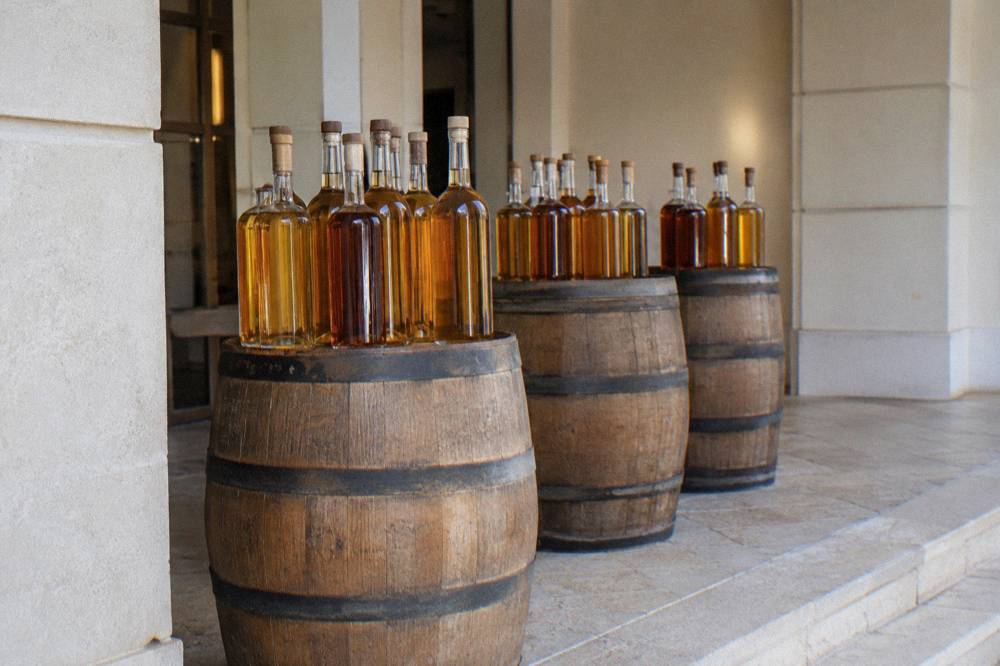
John Watling's range covers the practical spread: Pale, the 3-year Amber, the 5-year Buena Vista, Paradise, and the 10-Year-Old Bullion finished in ex-Cognac casks. The distillery's site lists a US shop as well as the Bahamian one, which matters if your allowance runs out, because some expressions can ship rather than fly. Our piece on whether John Watling's rum is sold in the US goes through that in detail.
| Purchase | Where it comes from | Travel behavior | Best route home |
|---|---|---|---|
| 750ml boxed bottle | John Watling's distillery store | Sturdy in original box | Checked bag or held by cruise line |
| 250ml bottle-your-own bottle | The bottle-your-own experience, from $20 | Small, wax-sealed, packs easily | Any |
| Rum cake | Bahamas Rum Cake Factory, East Bay Street | No liquid rules; marinated cake in a tin | Carry-on |
| Sealed duty-free bag | Bay Street shops | Sealed with receipt | Direct flight carry-on or checked |
| Specialty finished bottles | Distillery range, aged finishes | Taller, thinner glass | Checked, well wrapped |
The bottle-your-own experience is the smallest, cheapest souvenir run: from $20 per person for a 250ml bottle of Amber you fill, wax-seal and label yourself. It is sold as two listings: one runs about 5 minutes with up to 20 guests, the other 15 minutes, so check the live listing for the format before booking.
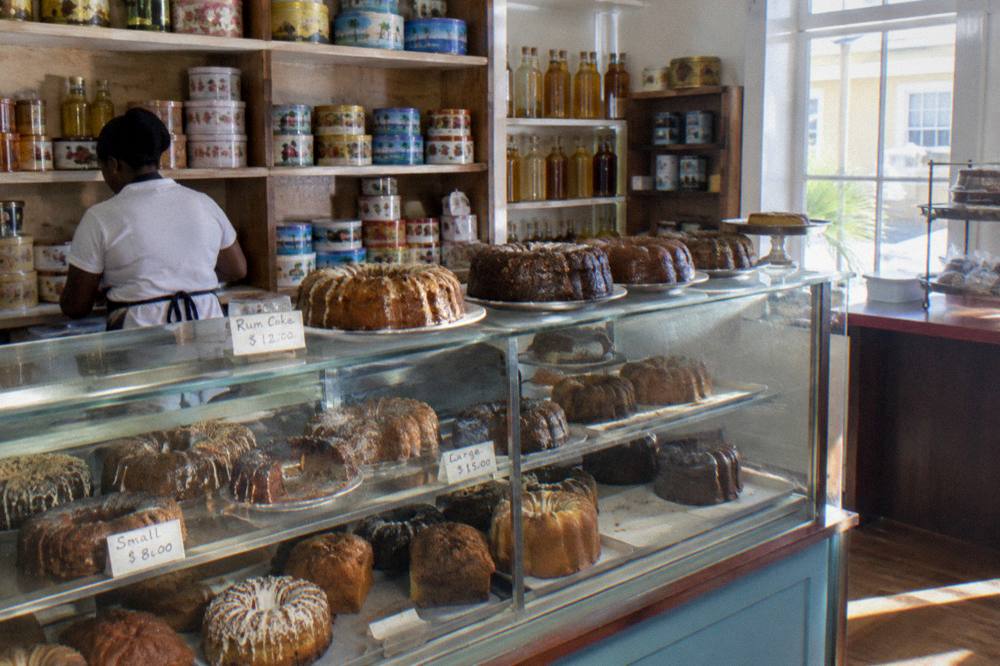
Rum cakes deserve a mention in any carry-on conversation. The Bahamas Rum Cake Factory bakes bundt-style cakes marinated in Ole Nassau rum, and a cake is the only rum purchase with zero allowance drama. The distillery's own rum tasting experience, a 45-minute guided session across six rums from $80, rated 4.7 from 15 reviews, often ends with exactly this kind of store decision, so it pays to know your allowance before you taste.
Does The 2026 Bahamas Alcohol Change Affect Buying Rum?
No. The January 2026 reform bans retail alcohol sales through window cages, take-away restaurants and drive-throughs; it regulates how licensed sellers operate, not what visitors may buy or drink. Distilleries, bars, restaurants and liquor stores with standard licences keep selling bottles to adults as before.
The change made headlines because it reshapes Nassau's retail landscape, moving take-away sales out of window hatches and drive-through lanes. The Bahamas Hotel and Tourism Association's report on the reform is the clearest summary of what it covers. Tastings are unaffected. Bars are unaffected. The distillery's paid experiences, covered in our John Watling's experiences comparison, run as listed.
One detail does matter for bottle shoppers: retail liquor stores under general or wholesale licences close on Sundays and public holidays, while hotels, restaurants and clubs serve on their own hours. Plan a Sunday bottle run around a distillery visit or a hotel shop rather than a closed high-street store.
How Do You Fit A Bottle Run Into A Port Day?
Plan the purchase for the last hour ashore. John Watling's sits a 10 to 15 minute walk or a roughly 5 minute, $8 to $10 taxi ride uphill from Prince George Wharf per the distillery's own directions page, so a tasting-first, buy-last sequence keeps the bottle in your hands for the shortest possible time before the gangway.
Cruise-call patterns in Nassau typically run morning arrival to late afternoon departure, and the walking crowd on Bay Street peaks between mid-morning and mid-afternoon. A bottle carried through a four-hour tour is a bottle at risk, so the sequence that works is: tour and taste first, return to the distillery tavern or the port-adjacent shops for the purchase, then board. The distillery is open daily 10 a.m. to 6 p.m. excluding Bahamian national holidays, with free walk-in visits and no reservation needed, which makes it a forgiving last stop.
For a tighter schedule, the shorter options fit a port day better than the four-hour reggae tours. A 45-minute mixology class at the distillery, from $80 per person, leaves the rest of the call free for the walk down, the Straw Market, and the purchase. Our guide to fitting a rum tour into a Nassau cruise stop breaks the timing down by hours ashore.
Remember the all-aboard buffer: the general guidance for Nassau is to reach the terminal 45 to 60 minutes before the posted time, longer if you are coming back by taxi. A bottle sprint at 20 minutes to all-aboard is how purchases get abandoned at the gangway.
Is Buying Rum In Nassau Actually Cheaper Than At Home?
It depends on the bottle, and any saving only holds if the bottle clears US customs duty free, which the one-liter allowance (two with a Caribbean Basin product) usually covers for a typical one or two bottle purchase. Beyond the allowance, duty and tax erode the margin, and US retail availability narrows it further.
The arithmetic has three inputs: the Bahamian shelf price, the allowance you clear, and what the same bottle costs at home. John Watling's sells through a US shop as well as the estate store, so for its core range the comparison is checkable rather than theoretical, and our cost to tour John Watling's piece prices the full visit. Where Nassau clearly wins is on expressions that do not reach US shelves and on the souvenir bottles, the hand-filled 250ml among them, that have no home-market equivalent.
| Buy | Typical traveler | Allowance outcome | Net verdict |
|---|---|---|---|
| One 750ml bottle | Day visitor, flight home | Inside the one-liter exemption | Duty free, simple |
| Two 750ml bottles | Cruise couple, one purchase each | Each traveler's own exemption applies | Duty free if declared per person |
| Three or more bottles | Stock-up buyer | Excess is dutiable and taxable | Margin shrinks, still legal if declared |
| Rum cakes | Anyone | No alcohol allowance consumed | Always easy |
| Bottle-your-own 250ml | Tour guest | Trivially inside any allowance | Best souvenir-per-dollar |
Declare whatever exceeds the exemption. The duty on a modest excess bottle is small, while a missed declaration is not, and CBP's pages are explicit that the exemption covers goods you accompany and declare. The couple splitting purchases should know that allowances are per traveler, not per booking, so each adult 21 or older gets their own allowance.

What Should You Do With A Bottle After A Tasting?
Tasting-first buyers should buy last: finish the tasting, then purchase at the tavern or store with the receipt stapled to the sealed bag, keep the seal intact through the gangway, and repack the bottle into checked luggage only at the airport or on debarkation morning. An opened or unsealed bottle can forfeit end-of-cruise return under most lines' policies.
Every distillery experience ends within walking distance of a store, and the purchases made in the half hour after a tasting are the ones most likely to be mishandled, because nobody wants to carry a box through a beach stop. The featured food and rum walking tour in Nassau starts at the distillery itself, from $98 per person, 4.9 from 1,180 reviews, so you can see the store at the start and buy on a later visit before you reboard. And if that final taste of rum cake turns into a box you want to take home, the Bahamas rum cake buying and customs guide covers which ones travel well and what to declare at the border.
For cigar-and-rum travelers, the Graycliff pairing listing, from $176 per person for 90 minutes with rum tasting and cigar demonstration, sits on West Hill Street, minutes from the distillery, so a combined day can end with a single bottle stop.
The last practical step is the customs form. Declare the alcohol, keep receipts in your carry-on, and the one or two liters clear without drama in almost every case.
Common Questions About Bringing Rum Home From Nassau
Can I Bring Rum Back From The Bahamas?
Yes. Adults can buy rum in the Bahamas to take home, and US travelers 21 and older may include one liter in the personal exemption on return, rising to two duty-free liters when at least one liter is a Caribbean Basin product such as Bahamian rum.
Will My Cruise Line Confiscate Rum I Buy In Nassau?
Most major lines hold port-bought liquor at the gangway and return it at the end of the voyage, provided the bottle is sealed in its original package with the receipt. Royal Caribbean's published policy states exactly that; other lines differ, so check yours.
How Many Bottles Of Rum Can I Bring Into The US?
One liter enters duty free inside the personal exemption for travelers 21 or older, and a second liter can also enter duty free if at least one is produced in a Caribbean Basin country. Excess bottles are legal to bring but incur duty and tax, so declare them.
Can I Pack Rum In My Checked Luggage?
Yes, and for US-bound flights checked luggage is the only realistic option, since airport liquid limits keep full-size bottles out of a carry-on through security. Keep the bottle boxed or wrapped, center it in soft goods, and double-bag it against breakage.
Does The 2026 Bahamas Alcohol Ban Stop Tourists Buying Rum?
No. The January 2026 reform bans alcohol sales through window cages, take-away restaurants and drive-throughs. It regulates retail channels, and licensed distilleries, bars, restaurants and liquor stores keep selling bottles to adults as before.
Is Rum Cheaper In Nassau Than In The US?
It can be, inside the duty-free allowance. The margin narrows for expressions sold in US retail, since John Watling's operates a US shop, and disappears on excess bottles once duty and tax apply. Rum cakes and hand-filled souvenir bottles have no US equivalent.