Nassau's Rum-Running History And Where To Trace It
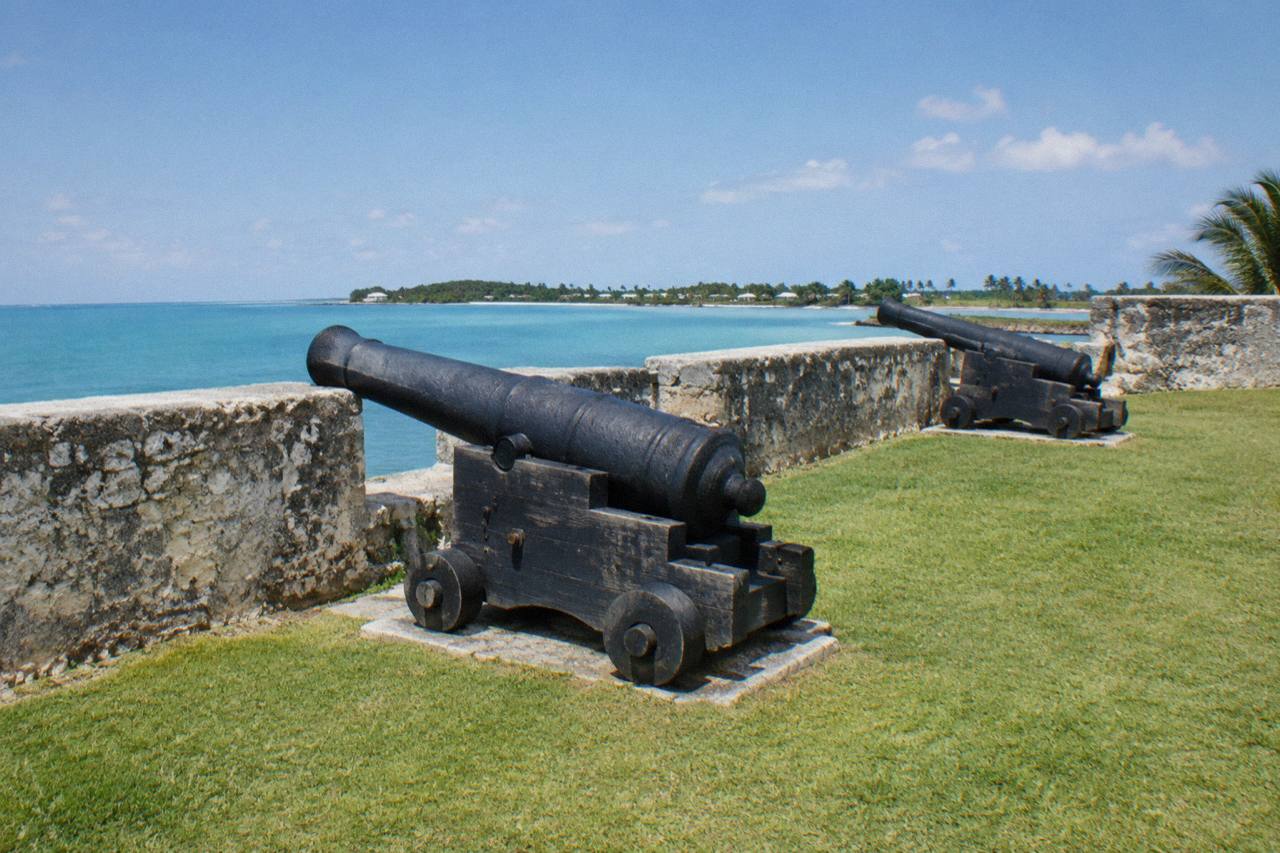
Nassau spent two separate centuries as a magnet for people moving liquor outside the law: first pirates, then Prohibition rum runners. The warehouses, forts and estates they used are still standing, and several of them pour rum today.
Short answer
Nassau's liquor-smuggling story has two chapters: a self-governing pirate republic from roughly 1706 to 1718, and a Prohibition-era boom from 1920 to 1933 that filled Bay Street warehouses with an estimated 60,000 cases at peak. You can trace both on foot from the cruise port, and on history-led rum tours from $73 per person.
Nassau's relationship with rum has never been quiet. Before the first cruise terminal, before the straw market, this harbor town spent decades as the Caribbean's favorite place to load, hide and sell liquor that someone, somewhere, had outlawed. The story runs in two waves. In the years from roughly 1706 to 1718, Nassau operated as a near-lawless pirate base that contemporaries called the Republic of Pirates. A little over two centuries later, American Prohibition turned the same city into a shipping hub so soaked in whisky and gin that Bay Street picked up the nickname Booze Avenue.
Both chapters left physical traces you can walk to in an afternoon, from Fort Fincastle's 1793 ramparts to the 1789 Buena Vista Estate where John Watling's Distillery now ages its rum in more than 1,000 white oak barrels. Several bookable experiences lean into that history too. The Pirate Rum Adventure stops at four drinking landmarks with pirate lore attached, and the Rum Tasting and Food Walking Tour in Nassau starts at the old estate itself. History-minded readers generally pick a history-led rum walk, and this guide explains exactly what each era left behind and where to find it.
Why Was Nassau Called The Republic Of Pirates?
Roughly from 1706 to 1718, Nassau functioned as a self-governing base for hundreds of pirates, including the so-called Flying Gang, because the town had no effective royal government to stop them. The period ended in July 1718 when Woodes Rogers arrived as royal governor with a Royal Navy escort and offered the King's Pardon, which most pirates accepted.
That is the short version. The longer one explains why a small British settlement became the most notorious pirate harbor in the Atlantic. With legitimate authority collapsed, private crews simply moved in, and Nassau's position on the shipping lanes between Europe, the Caribbean and the American colonies made it a natural staging point. From there, raiders could intercept merchant traffic and retreat to a harbor they controlled. Contemporaries and later historians gave the arrangement its enduring name, the Republic of Pirates, and the label stuck because it described something real: a town run by, and for, people the law called enemies.
The end came through persuasion as much as force. Woodes Rogers, a former privateer, arrived carrying pardons rather than only cannonballs, and most of the pirates took them. A few were commissioned as pirate hunters, Benjamin Hornigold among them, and British control was restored. Britannica's biography covers the appointment and the pardon strategy in detail (Britannica, Woodes Rogers).
| Period | What Nassau Was | How It Ended |
|---|---|---|
| Roughly 1706 to 1718 | Self-governing pirate base, the Republic of Pirates, home to hundreds including the Flying Gang | Woodes Rogers arrived July 1718 with a naval escort and the King's Pardon |
| 1718 onward | British crown colony under royal governor Woodes Rogers, some ex-pirates commissioned as hunters | Pirate era closed, merchant trade resumed |
If you want the pirate chapter laid out in wax figures and a full-size replica ship, the Pirates of Nassau Museum on King and George Streets covers the era through Woodes Rogers, and our write-up on whether Pirates of Nassau is worth it weighs it against the price of admission.
How Did Prohibition Turn Bay Street Into Booze Avenue?
When the United States banned liquor sales from 1920 to 1933, Nassau became a primary transshipment point, and by 1923 Bay Street warehouses held an estimated 60,000 cases of whisky and gin at peak times. The volume of business was so visible that the street earned the nickname Booze Avenue.
The mechanism was simple geography plus law. British Nassau had no Prohibition, sat close to the Florida coast, and had a harbor full of capable seamen. American demand did the rest. Cases landed in Nassau, were stored along Bay Street, and then moved out to vessels that ran them north. The street's warehouses did not hide the trade; they advertised it, and the Booze Avenue nickname spread with it.
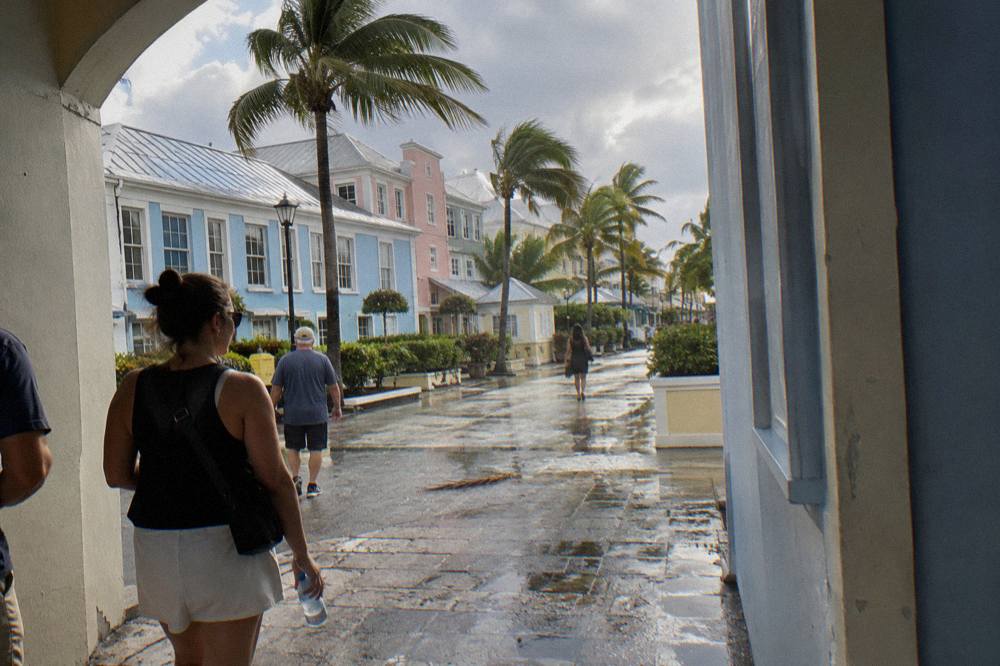
The money changed the town. Accounts of the era describe the Lucerne Hotel on Frederick Street as a hub for rum runners and American gangsters, complete with an annual Bootleggers Ball. That building is gone, with Norfolk House on the site today, but plenty of the period's fabric survives along the same few blocks you walk between the cruise port and Parliament Square.
This is also the chapter that connects most directly to modern Nassau's tourist pitch. The official Nassau Cruise Port site itself promotes Bahamian rum and rum cakes as a nod to the country's days as a rum-running paradise (Nassau Cruise Port). The port no longer stores contraband, but it delivers the customers, and the rum experiences they book start a short walk from the same wharf the runners used.
Prohibition ended in 1933, and with it the boom. But the island had learned something about itself: it could make, move and sell liquor better than almost anyone nearby. The distillery that would eventually claim that heritage, John Watling's, only opened in 2013, yet it deliberately wrapped itself in the older buccaneer story, naming the brand after a 17th-century pirate remembered as pious.
Tours that lean into this layer rather than skipping past it are worth picking out. The pair below covers the spread: a pirate-themed bar crawl and a food and rum walking tour that starts at the historic estate.
Which of those fits depends on how you like your history served. The pirate adventure is built around the stories and the walking tour around the estate and the tastings, and both list free cancellation.
Who Were The Most Famous Rum Runners From Nassau?
Two names dominate the era: Bill McCoy, called the Real McCoy, who ran vessels from Nassau and Bimini, refused bribes from organized crime, and was captured by the US Coast Guard in 1923, and Gertrude "Cleo" Lythgoe, the Bahama Queen, the only woman holding a Bahamian wholesale liquor license, who operated from a Market Street warehouse. McCoy and Lythgoe were only the best remembered of a much larger crowd, and the full guide to the era's most famous rum runners introduces the rest of the smugglers who passed through Nassau.
McCoy's reputation rests on a distinction that mattered to him: he sold uncut, genuine liquor and would not deal with mob buyers or pay off officials. His vessels anchored in international waters to transfer cargo beyond US jurisdiction, a loophole the Coast Guard eventually closed by capturing him in 1923. The nickname the Real McCoy, meaning the genuine article, attached itself to him and has outlived the trade by a century.
Lythgoe ran her wholesale operation from a rented Market Street warehouse and later the Lucerne Hotel on Frederick Street. Contemporaries called her the Bahama Queen or the Queen of the Bootleggers, and her story is the one most often missed by visitors who only hear the male names. Neither figure has a museum of their own, but the streets they worked on are the same streets every downtown rum tour uses, which is part of what makes those tours more than a pub crawl. For the longer version of both lives, see our piece on the most famous rum runners.
The pirate-adventure format suits this chapter well because the guides trade in exactly this kind of story, smugglers, loopholes and characters who became legends. The listing describes four unique drinking landmarks including a few pirate secrets, with admission tickets, transport and a guide included, up to 13 guests, from $110 per person, and it holds a 5 rating from 21 reviews.
Where Does John Watling's Fit Into The Story?
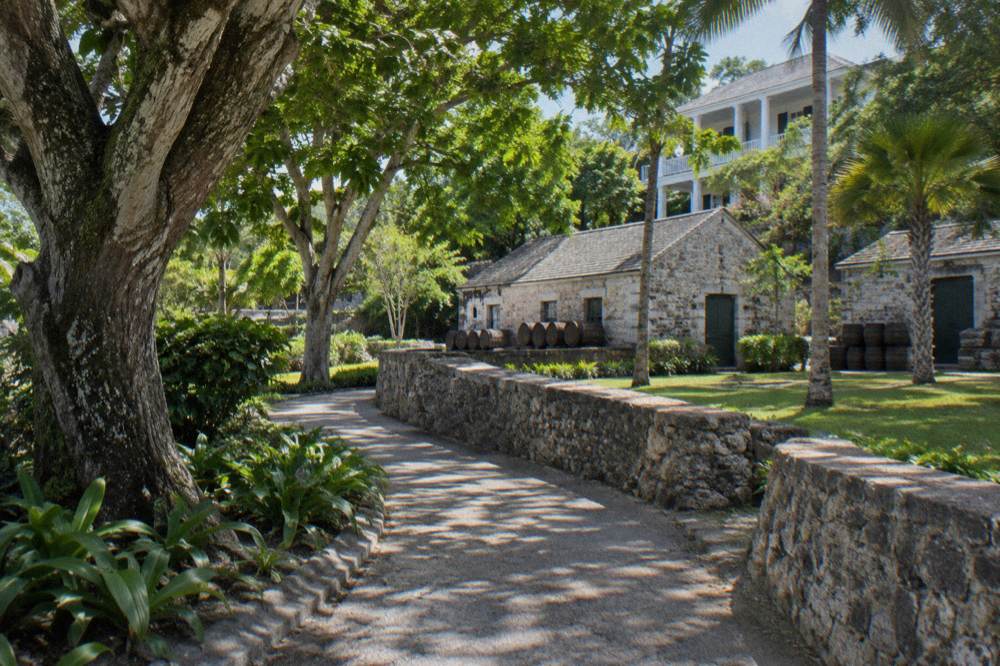
The Buena Vista Estate dates to 1789, when the Royal Governor granted the land to the Honourable John Brown, and it later hosted celebrities and appeared in a James Bond film. John Watling's Distillery opened there in 2013, naming itself after a 17th-century buccaneer and reviving premium Bahamian rum production on an estate granted in 1789.
The estate's own history page tells the grant story and lists visitors including Burl Ives and Bobby Kennedy, along with the Casino Royale film appearance (John Watling's history and heritage). So the site carries two eras at once: a colonial plantation house from the decades after the pirates were expelled, and a modern distillery deliberately branding itself with pirate heritage. The rums are small-batch, molasses-based, pot and continuously distilled, hand-blended and aged in ex-Bourbon barrels, with the Amber expression aged three years and the storehouse holding over 1,000 white oak barrels.
For visitors, the practical hook is that the estate is free to walk into. The distillery's visit page states you may visit daily from 10:00 AM to 6:00 PM, excluding Bahamian national holidays, without booking through a tour or paying an entry fee, with a complimentary cocktail sample and no reservations needed for the walk-in tour. Paid experiences on the distillery's own visit page list Bottle Your Own at $20, the mixology class at $80, the rum tasting at $80 and cannon firing at $50. The estate also carries a daily cannon firing tradition by the West India Regiment reenactors, an afternoon salute that ties the site back to its garrison past.

Several tours build their route around the estate. The Rum Tasting and Food Walking Tour in Nassau departs from John Watling's itself, with five rum tastings, three cocktails and a mixology session over three hours from $98 per person, rated 4.9 from 1,180 reviews, the most reviewed tour on this site. Our John Watling's Distillery tour guide breaks down the free-versus-paid decision in full.
Can You Still See Rum-Running Nassau Today?
Yes, and most of it sits within a 15 to 20 minute walk of the cruise terminal. The Queen's Staircase's 66 hand-carved steps and 1793 Fort Fincastle survive above downtown, the Pirates of Nassau Museum covers the pirate era, and Bay Street's period buildings still line the route the runners used, with the estate a 10 to 15 minute uphill walk from the port.
The staircase deserves its stop. It was hand-carved from solid limestone between 1793 and 1794 by roughly 600 enslaved laborers to link Fort Fincastle to the town below, and was later named for Queen Victoria. The fort above it, built in 1793 by order of Governor Lord Dunmore, has an unusual paddle-steamer-like shape and later served as a signal station. A restoration project covering the staircase and the 1928 water tower, reported at $3 million, was nearing handover to the Antiquities, Monuments and Museums Corporation in late 2025, adding an elevator and safety upgrades.
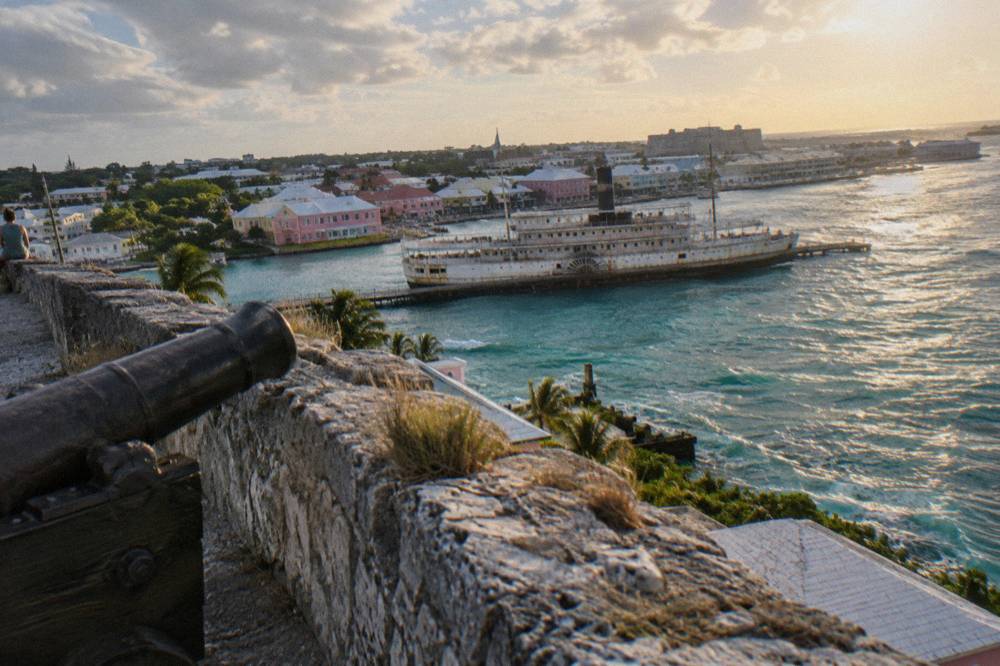
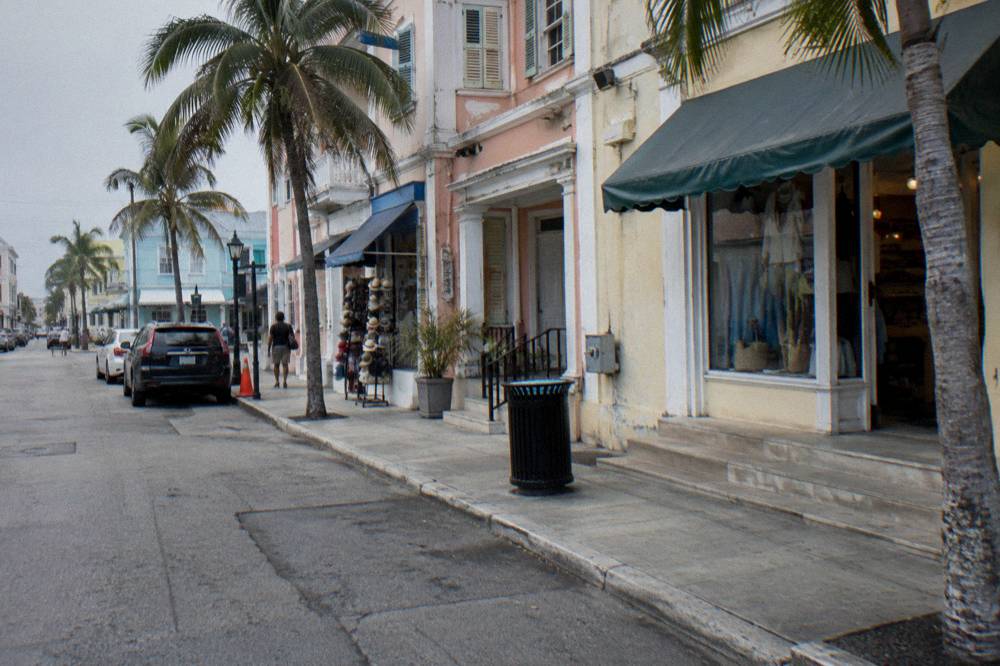
Below the hill, the Prohibition layer is subtler but present. The Lucerne Hotel site on Frederick Street is now Norfolk House, and Market Street's warehouses have been re-clad as shops, but the geography has not moved. Stand at Parliament Square, look down toward the wharf, and you are looking at the same few blocks where warehouses once held an estimated 60,000 cases at peak.
| Site | Era It Belongs To | What You See |
|---|---|---|
| Queen's Staircase | 1793 to 1794 | 66 steps hand-carved by roughly 600 enslaved laborers, free to climb |
| Fort Fincastle | 1793 | Paddle-steamer-shaped fort with harbor views, donations appreciated |
| Pirates of Nassau Museum | Pirate era, 1706 to 1718 | Wax figures, replica pirate ship, exhibits through Woodes Rogers |
| Bay Street and Frederick Street | Prohibition, 1920 to 1933 | Period commercial buildings, former warehouse row |
| John Watling's, Buena Vista Estate | 1789 estate, 2013 distillery | Barrels, gardens, complimentary cocktail sample per the visit page |
Which Rum Tours Tell The History Best?
For the pirate chapter, the Nassau Pirate Rum Adventure (5 from 21 reviews, from $110, three hours) is built entirely around historic drinking landmarks. For the distillery story, the Rum Tasting and Food Walking Tour (4.9 from 1,180 reviews, from $98) starts at the estate. For the colonial layer, the Historical Sightseeing Guided Half-Day Tour (4.9 from 58 reviews, from $145) covers the forts with live commentary.
The choice is really about which century you want narrated back to you. The pirate adventure leans on guides telling smuggling stories between stops, with hotel pickup listed and admission tickets included, though lunch is not, and it carries an 18 minimum age. The half-day sightseeing tour, at 3.5 hours, includes port pickup and drop-off, air-conditioned van transport, live commentary and all entrance fees, but food and drinks are excluded. The walking tour keeps you on foot downtown, capped at 12 guests, with conch fritters, infused appetizers and rum cake listed alongside the five tastings and three cocktails.
| Tour | Rating And Reviews | Price | Length | History Angle |
|---|---|---|---|---|
| Nassau Pirate Rum Adventure | 5 from 21 reviews | from $110 per person | 3 hours | Four drinking landmarks with pirate secrets |
| Rum Tasting and Food Walking Tour | 4.9 from 1,180 reviews | from $98 per person | 3 hours | Starts at the 1789 Buena Vista Estate |
| Historical Sightseeing Guided Half-Day Tour | 4.9 from 58 reviews | from $145 per person | 3.5 hours | Forts and colonial Nassau by van |
| Rum Reggae and Rhythms Tour: Dancing and Cocktails | 4.6 from 691 reviews | from $73 per person | 4 hours | Rum route with the operator's rum punch and reggae music |
The reggae option deserves its row because it threads the same streets with music instead of narration, and our rum and reggae tours in Nassau guide covers it alongside its private siblings.
The sightseeing half-day is the one to pick if hills are a problem or the weather is wet, since the van does the climbing to Fort Fincastle that the walking tour asks your legs to do.
What Should History Buffs Know Before Booking?
Check three things before you book any history-flavored rum tour: the minimum age on the listing, since several carry an 18 minimum, whether the meeting point is at the cruise port or requires a walk, and what the listing actually includes, since inclusions vary sharply, from five tastings plus three cocktails on the walking tour to spirits and music only on the reggae buses.
Ages matter more here than on a normal excursion. The legal drinking age in the Bahamas is 18, but cruise lines apply their own, commonly 21 on board, so an 18-year-old sailing guest can be legal ashore and barred on the ship the same afternoon. Each tour also sets its own minimum: the pirate adventure and the walking tour both carry a listing minimum age of 18, while others say to check the listing. Our guide to rum tours in Nassau with kids and non-drinkers handles the mixed-group case.
Timing is the second check. The distillery's directions page states the estate is a 10 to 15 minute walk from Prince George Wharf, or about a 5 minute taxi ride at around $8 to $10, which gives you a rough anchor for anything meeting downtown. Typical port-day patterns put the walking crowds on Bay Street roughly from mid-morning to mid-afternoon, so a tour starting at the estate before the crowds climb the hill is the calmer experience.
| Check | Walking Tour | Pirate Adventure | Half-Day Sightseeing |
|---|---|---|---|
| Minimum age | 18 per the listing | 18 per the listing | Check the listing |
| Meeting point | John Watling's Distillery | Hotel pickup listed | Port pickup and drop-off included |
| Food listed | Conch fritters, appetizers, rum cake | Not stated, lunch excluded | Excluded |
| Group size | Up to 12 guests | Up to 13 guests | Shared group |
| Free cancellation | Listed | Listed | Listed |
One more habit worth forming: print nothing from memory on the day. Tasting rooms change hours for Bahamian national holidays, and the distillery's own page notes those closures, so a quick look at the operator's live listing the night before beats an assumption made at the gangway.
The reggae tour is the loosest history lesson of the set, 4.6 from 691 reviews at from $73 per person, but the route still stops at John Watling's Distillery, and the operator's rum punch does what a smuggler's warehouse once did, just more cheerfully. For readers comparing every tour on Nassau Rum Tours rather than the history corner of it, the trip picker on the homepage sorts them by type and price.
How Do You Build A One-Day Rum History Route Yourself?
Walk west from Prince George Wharf along Bay Street, turn up Parliament Street to West Hill Street for the estate, allow an hour at John Watling's for the free walk-in tour and a tasting, then descend via the Queen's Staircase and Fort Fincastle, and finish at the Pirates of Nassau Museum, which the official site lists at $14 for adults and $7 for children aged 4 to 17.
That route, which mirrors the distillery's own stated directions for the first leg, compresses all three eras into one walkable loop. The port terminal exits within walking distance of downtown, the climb to the estate is the same 10 to 15 minutes the distillery quotes, and the staircase drops you back toward King and George Streets where the museum sits. Do it in that order and the geography teaches the chronology backwards, modern distillery first, colonial fort second, pirate museum last, which is a fair way to understand how each generation inherited the last one's trade.
Budget the stops before you set out. The estate walk-in is free with a complimentary cocktail sample per its visit page, the museum charges admission, and the fort asks for donations. If you would rather have the stories narrated and the pours counted, the three tours compared above are the shortlist: pirate landmarks, the estate walking tour, or the van tour that covers the forts without the climb.
Whichever way you go, the history is unusually close to the dock for a cruise port. Most cities make you commute to their smuggling past; in Nassau it is a staircase away.
Common Questions About Nassau Rum-Running History
Why Was Nassau Called The Republic Of Pirates?
From roughly 1706 to 1718 the town had no effective royal government, so hundreds of pirates, including the Flying Gang, used it as a self-governing base. Woodes Rogers arrived as royal governor in July 1718 with a naval escort and the King's Pardon, which most accepted, ending the republic.
What Was Booze Avenue?
Bay Street earned the nickname during American Prohibition, when Nassau served as a primary transshipment point for liquor. By 1923 its warehouses held an estimated 60,000 cases of whisky and gin at peak times.
Who Was The Real McCoy?
Bill McCoy, a rum runner who operated from Nassau and Bimini, sold uncut liquor and refused bribes from organized crime or officials. He anchored ships in international waters for transfers and was captured by the US Coast Guard in 1923.
Can You Visit John Watling's Distillery For Free?
Yes. The distillery's visit page states you may walk in daily from 10:00 AM to 6:00 PM, excluding Bahamian national holidays, with no booking and no entry fee, and a complimentary cocktail sample. Paid experiences, from Bottle Your Own at $20 to tastings and mixology at $80, are listed on the same page.
Which Rum Tour Is Best For History?
The Nassau Pirate Rum Adventure (5 from 21 reviews, from $110) is built around historic drinking landmarks, while the Rum Tasting and Food Walking Tour (4.9 from 1,180 reviews, from $98) starts at the 1789 Buena Vista Estate. Pick the first for pirate stories, the second for the distillery chapter.
How Far Is The Rum History Walk From The Cruise Port?
The distillery's directions page describes the estate as a 10 to 15 minute walk from Prince George Wharf, or about 5 minutes by taxi at around $8 to $10. The Queen's Staircase, Fort Fincastle and Pirates of Nassau all sit within the same downtown hillside loop.