Is Pirates Of Nassau Worth It?
A close look at the Pirates of Nassau museum: admission, hours, exhibits, who it suits, and how to pair it with a pirate-themed rum tour in downtown Nassau.
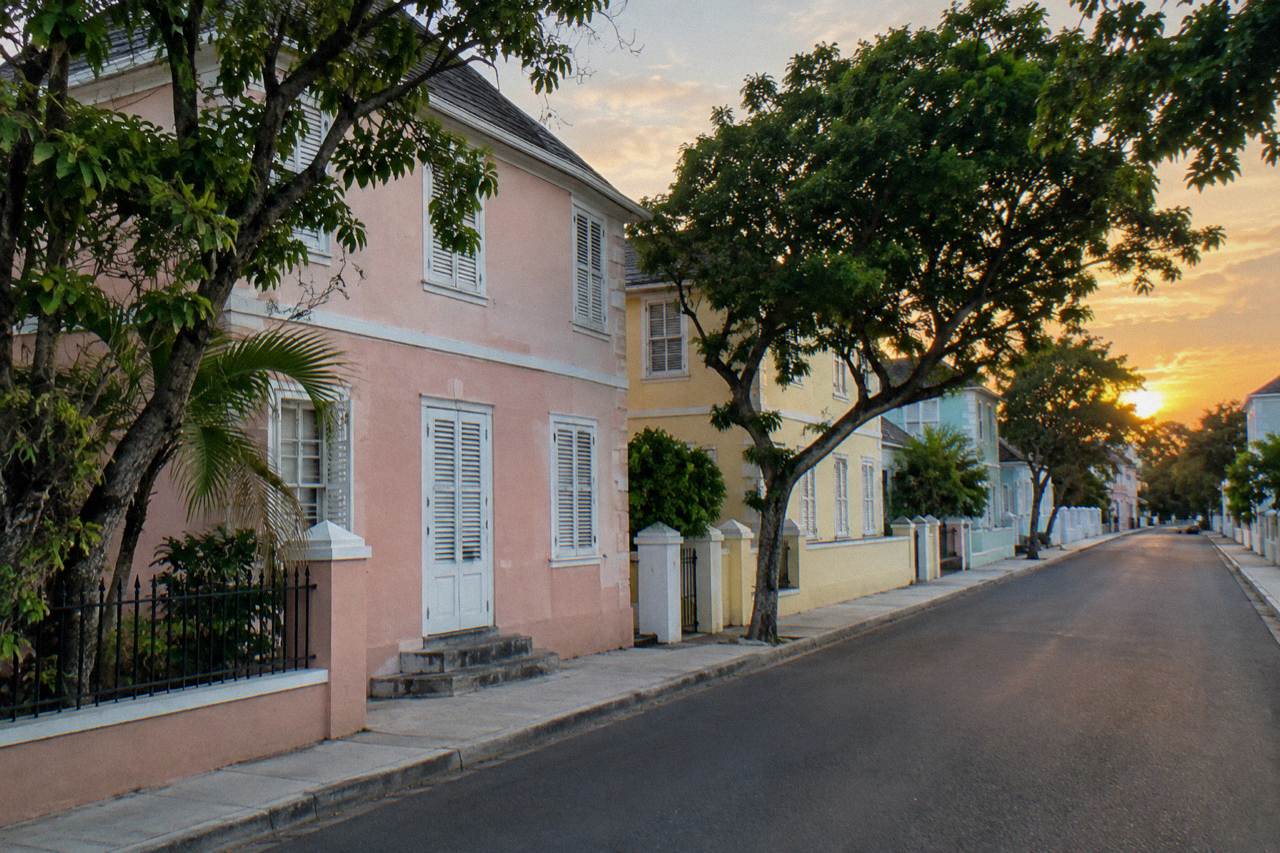
Downtown Nassau keeps its pirate past close to the surface. The museum that celebrates it sits on the corner of King and George Streets, a short walk from the terminal at Prince George Wharf, and for many cruise passengers it is the first named attraction they consider after stepping off the ship. The question most people actually type before booking anything is simple: is the entry fee worth an hour of a port day?
The answer depends on what you want from that hour. The museum is compact, genuinely well built for its size, and family friendly. It is not a full-day attraction, and it was never meant to be. This article lays out exactly what is inside, what the ticket costs, how the real history behind the exhibits holds up, and how a visit pairs with the pirate-themed rum experiences that depart a few blocks away.
For most visitors spending a day in Nassau, yes: the $14 adult admission buys a well-made, walkable attraction that takes roughly 30 to 60 minutes and sits five to seven minutes from the cruise terminal. It is worth it for families, history fans and anyone wanting a cheap, walkable anchor for a downtown morning. It is not worth it if you expect a large museum or interactive rides.
The verdict really turns on expectations. Self-guided visits take about 30 to 60 minutes, and the museum's own admission page frames the experience as self-guided, wheelchair friendly and family friendly. That is an accurate framing. Guests move through a series of dim, deliberately atmospheric rooms populated with wax figures, artifacts and dramatic scene recreations, finishing at a full-size replica pirate ship you can walk aboard. It is closer to an immersive historical walk-through than a classical museum with glass cases.
Families with children tend to get the most from it. The pirate republic period, roughly 1706 to 1718, is told in scenes rather than text panels, which suits younger visitors who would not read a wall of captions anyway. For adults traveling without kids it works as a 45-minute stop that explains why Nassau markets itself as a pirate town at all, before moving on to Bay Street or a distillery visit.
The value calculation is also about location. At five to seven minutes on foot from the port terminal, it costs almost no transit time, and admission is a flat posted rate rather than a variable tour price. Compared with the paid excursions here, which start at $20 for bottle-your-own rum and run to $650 per group for a private island tour, it is one of the cheapest structured activities in downtown Nassau.
For readers whose real interest is rum rather than wax pirates, there is a natural pairing: the museum explains the swashbuckling era, and a pirate-themed drinking tour covers a later chapter, when Nassau became a hub for Prohibition-era rum running. The pirate rum adventure guide covers that side in detail.
If you already know the museum suits you, these two picks frame the day around it: the pirate rum adventure that shares its theme and the food and rum walking tour that anchors a downtown day.
What Is Inside The Pirates Of Nassau Museum?
The museum holds wax-figure recreations, period artifacts, exhibits on Nassau's pirate era through the arrival of governor Woodes Rogers, and a full-size replica pirate ship visitors can board. Most of the storytelling is scene-based rather than label-based, which makes it digestible for children and quick for adults. The whole loop is self-guided.
The exhibit path moves roughly chronologically. Early rooms set up Nassau as a ramshackle port that, from about 1706, became a self-governing base for hundreds of pirates, a period remembered as the pirate republic or Republic of Pirates. Members of the so-called Flying Gang feature prominently. Later sections cover the royal response: Woodes Rogers arrived in July 1718 as royal governor with a naval escort and offered the King's Pardon, which ended the republic as a functioning safe haven.
The centerpiece is the replica ship. Visitors walk aboard and through it, and this is where most photographs happen. The tourism board's own listing describes the attraction as a wax-figure experience with dramatic recreations, and that description matches what is actually there; nobody should arrive expecting animatronics or ride-style entertainment.
A practical note on time. Because the loop is self-guided, a fast adult pair can finish in about half an hour, while a family reading scenes aloud can stretch toward an hour. Visitors with mobility equipment can use the space, per the museum's family-friendly and wheelchair-friendly notes on its official admission page. There is no timed entry in the way a distillery tasting slot is timed, so the museum flexes around the rest of a day more easily than a booked experience does.
For context, the broader story of how Nassau's outlaw reputation rolled from piracy into Prohibition-era rum running is covered in the Nassau rum running history guide, which extends the same century-spanning arc the museum starts.
How Much Does Pirates Of Nassau Cost And How Long Does It Take?
Adult admission is $14 and children aged 4 to 17 pay $7, per the museum's official admission page. Hours are Monday to Friday 9 a.m. to 5 p.m. and Saturday to Sunday 9 a.m. to 3 p.m. Plan on 30 to 60 minutes inside, plus the short walk from the port. The museum says to call ahead about holiday hours.
Those figures come from the museum's own admission page. The price point matters for families: children aged 4 to 17 pay less than adults, so a family's combined admission stays modest, well under the price of a single adult ticket on many of the rum experiences this site covers, and there is no equipment, transport or minimum age to arrange.
| Item | Figure | Notes |
|---|---|---|
| Adult admission | $14 | Posted on the museum's official admission page |
| Child admission (4 to 17) | $7 | Under 4 not priced on the page; call the museum |
| Hours, Monday to Friday | 9 a.m. to 5 p.m. | Self-guided visits, last entry comfortably before close |
| Hours, Saturday and Sunday | 9 a.m. to 3 p.m. | Weekend cruisers should note the earlier close |
| Typical visit length | 30 to 60 minutes | Self-guided; families run longer |
| Distance from cruise port | About 5 to 7 minutes on foot | King and George Streets |
Timing against a ship schedule is the main planning trap. If a ship sails in the late afternoon and the museum is your first stop, weekends compress the window: a 3 p.m. close leaves little slack after a morning excursion. On weekdays the 5 p.m. close is forgiving. General port advice for Nassau is to be back at the terminal 45 to 60 minutes before the posted all-aboard time, longer if returning by taxi, and the museum's walkability makes that easy to honor.
One way to protect the budget on a port day is to pair the museum's flat $14 with a paid experience that does the planning for you elsewhere in the day. For visitors who want the pirate theme to continue past the museum doors, a guided option handles the drinking-leg logistics.
The Nassau Pirate Rum Adventure listing describes a 3-hour run with admission tickets included, four unique drinking landmarks including a few pirate secrets, an air-conditioned vehicle, bottled water, a guide and hotel pickup, from $110 per person, with a minimum age of 18 and up to 13 guests. It carries a 5.0 rating from 21 reviews, a small but perfect pool, and free cancellation is listed. Check availability on the operator's live listing if that combination fits your day.
Can You Pair The Museum With A Pirate Rum Adventure?
Yes, and it is a natural pairing. The museum covers the pirate republic of 1706 to 1718 in the morning, and the Nassau Pirate Rum Adventure covers four drinking landmarks with pirate secrets in the afternoon, a 3-hour tour from $110 per person with hotel pickup and a 5.0 rating from 21 reviews. Together they make one coherent pirate day.
The logic is thematic. The museum handles the pirate chapter. The pirate rum adventure handles the drinking chapter, with a listing that promises stops at four unique drinking landmarks, pirate secrets included, and admission tickets folded into the price. Because the tour lists hotel pickup, it also removes the question of getting back across town, though cruise passengers should confirm the pickup arrangement against their ship's schedule before booking.
The museum's $14 admission plus the tour from $110 per person keeps a full pirate day well inside what a single pricier excursion would cost on its own, with lunch not included on the pirate adventure listing, which notes local food can be purchased along the route. Against pricier options here, like the private island lovers tour at from $650 per group or the ATV rum tasting tour at from $250 per person, the museum-plus-tour pairing is a mid-priced day with unusually tight theming.
The pairing also works in reverse order. Some visitors prefer the tour first, when energy is high, then the museum as a self-paced cooldown before walking back to the ship. Because the museum has no booked time slot, it flexes into whatever gap the tour leaves. The one constraint is the museum's earlier weekend close, covered above, which matters more on short port days.
Visitors who want a mellower alternative can build a similar two-beat day around walking instead: a distillery morning and a food-and-rum walk. The most reviewed tour here is the Rum Tasting and Food Walking Tour in Nassau Bahamas, 4.9 from 1,180 reviews, from $98 per person, which starts at John Watling's Distillery and includes five rum tastings, three cocktails, conch fritters, locally infused appetizers and rum cake, with a minimum age of 18 and up to 12 guests. It shares the pirate day's price band while swapping swashbuckling for conch and cocktails.
For a non-drinking companion or a family with teenagers, the same pairing idea works with sightseeing instead of spirits: the Nassau Historical Sightseeing Guided Half-Day Tour, 4.9 from 58 reviews, from $145 per person for 3.5 hours, covers the historic sites with live commentary and port pickup and drop-off, leaving the museum as the afternoon's lighter second act.
How Does The Museum Compare To Other Nassau Rum Attractions?
The museum is the cheapest structured stop in this comparison at $14, and the only one with no tasting attached. Rum experiences range from $20 for bottle-your-own at John Watling's Distillery to $176 for the Graycliff cigar and rum tasting. The museum competes on story and price, not on pour count, which is exactly why pairing them works.
The table below shows the spread of ways a visitor can spend a Nassau day around rum and piracy, from a 15-minute bottle-filling session to a 4-hour reggae party.
| Experience | Price | Duration | Rating | Best for |
|---|---|---|---|---|
| Pirates of Nassau museum | $14 adult, $7 child | 30 to 60 minutes | Not a rated tour | Families, history, rainy hours |
| Bottle Your Own at John Watling's | From $20 per person | 15 minutes | 4.1 from 16 reviews | A cheap distillery souvenir |
| Rum Reggae and Rhythms tour | From $73 per person | 4 hours | 4.6 from 691 reviews | Groups wanting a party pace |
| Rum Tasting and Food Walking Tour | From $98 per person | 3 hours | 4.9 from 1,180 reviews | Food-first walkers |
| Nassau Pirate Rum Adventure | From $110 per person | 3 hours | 5.0 from 21 reviews | Theming with the museum |
| Graycliff Cigar Demo and Rum Tasting | From $176 per person | 1 hour 30 minutes | 4.7 from 6 reviews | Cigar fans, small groups of up to 10 |
Two observations fall out of that table. First, the museum and the rum attractions are not substitutes; nobody chooses between a wax-pirate walk-through and a rum flight on like-for-like grounds. They solve different problems on different budgets. Second, the museum's weakness, that it ends after an hour, is precisely what the rum side of downtown fixes, and vice versa: the tastings explain nothing about why Nassau has a pirate brand in the first place.
A further point in the museum's favor is independence. Every listing in the table above requires a booking, a time slot and usually a minimum age of 18, while the museum takes walk-ups, welcomes children and closes only per its posted schedule. For a group that cannot align ages or schedules, it is the most forgiving stop in the set.
What Is The Real History Behind Nassau's Pirate Republic?
Nassau served as a self-governing pirate base from roughly 1706 until July 1718, home to hundreds of pirates including the Flying Gang, until Woodes Rogers arrived as royal governor with a Royal Navy escort and offered the King's Pardon. The museum's exhibits track this arc closely, and the history holds up against the record.
The pirate republic was less a formal state than a power vacuum Britain failed to fill. With no effective royal authority on New Providence, pirates made Nassau their haven, and the numbers grew into the hundreds. The museum's scene rooms dramatize this period, and the tourism board's own page on the museum confirms the exhibits run through the era to Woodes Rogers, the former privateer appointed governor who accepted pardons from most pirates, commissioned some as pirate hunters and restored British control.
The museum's official admission details present it as a wax-figure attraction with artifacts and a replica ship, and the history on display is the mainstream account rather than a sensationalized one. Where popular pirate culture invents, this museum mostly does not. The dates, the names and the pardon are all documented history.
What the museum cannot fit in, for space reasons, is the second act: Prohibition. When the United States banned liquor in 1920, Nassau became a rum-running hub, with Bay Street warehouses holding an estimated 60,000 cases of whisky and gin at peak times by 1923, and the street earned the nickname Booze Avenue. Figures like Bill McCoy, nicknamed "the Real McCoy" and known for refusing bribes, and Gertrude "Cleo" Lythgoe, the only woman to hold a wholesale liquor license in the Bahamas, belong to that later chapter. It is the reason a pirate museum and a rum tour belong on the same day: same port, same outlaw instinct, two different centuries.
For visitors who want the second chapter in full, the distillery that anchors most rum tours today opened in 2013 at the 1789 Buena Vista Estate, and its own history page traces the estate from royal land grant through its cameo in a James Bond film to its current life as a working distillery with free walk-in visits daily from 10 a.m. to 6 p.m. except Bahamian national holidays, per the distillery's visit page.
Tips For Visiting With Limited Port Time
Visit the museum early or late to dodge the midday crowd, keep the weekend 3 p.m. close in mind, and pair it with a nearby booked experience rather than a distant one. On ship days, Bay Street between the pier and Parliament sees its main walking crowd from roughly 9:30 a.m. to 3 p.m., so the museum is quietest near opening.
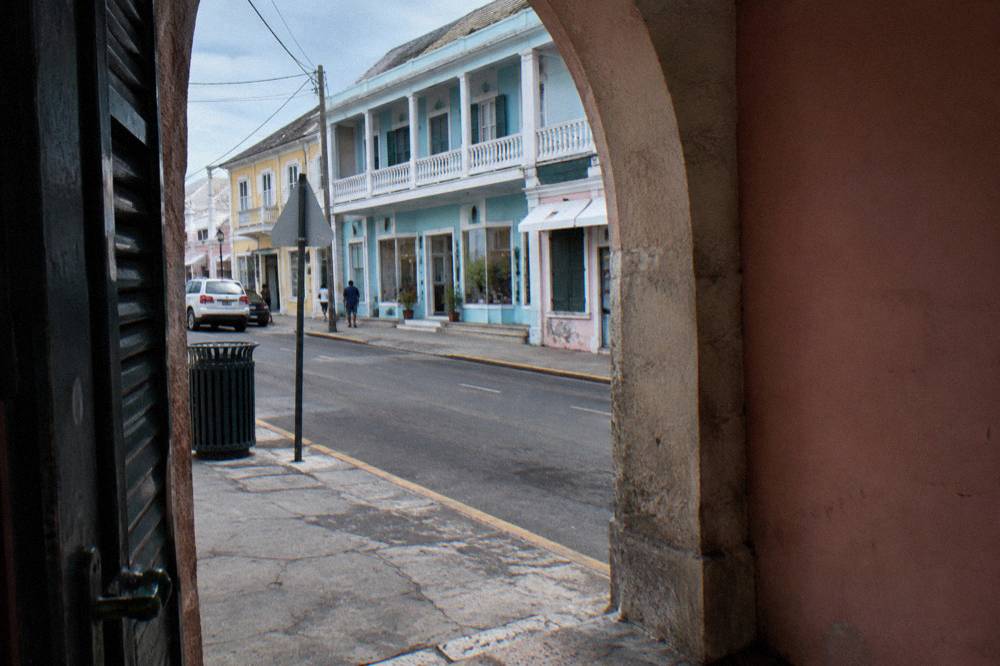
Port-time planning in Nassau is mostly about the walkability triangle: terminal, Bay Street, and the West Hill Street rise where John Watling's Distillery sits at 17 Delancy Street. The distillery's directions page states the walk from the cruise port is about 10 to 15 minutes, or about 5 minutes by taxi at around $8 to $10 USD, and the museum is closer still at 5 to 7 minutes. Everything in this article happens inside that triangle, which is why the pairing works even on a six-hour call.
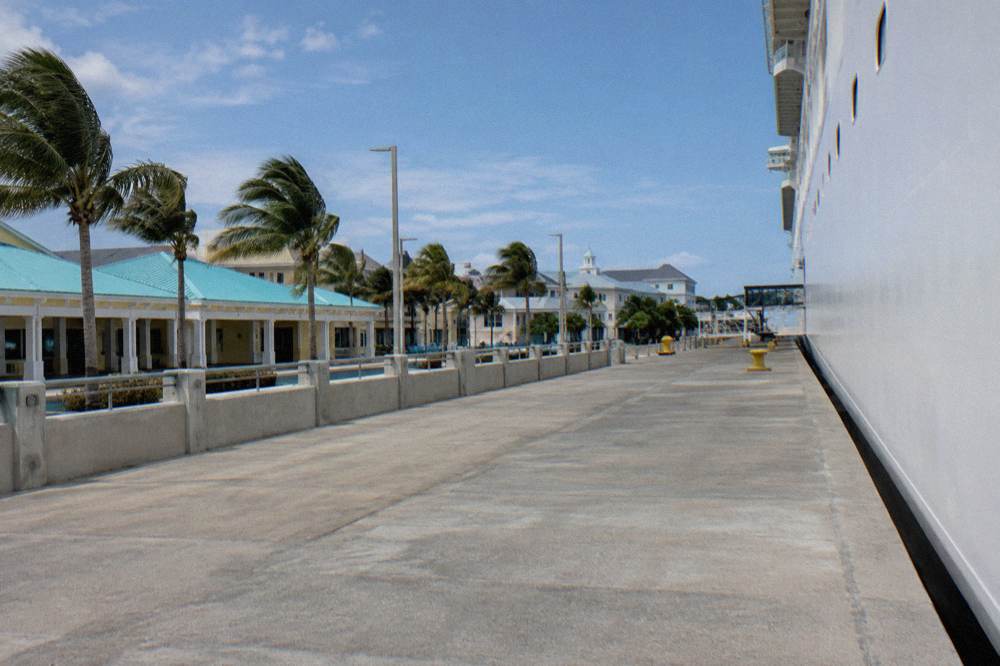
A few practical points worth carrying:
- Buy nothing in advance for the museum itself; it is walk-up, and the official page carries the only reliable prices.
- Book the rum side in advance instead, since tastings and tours run on time slots.
- Check the minimum age on any tour listing before booking for a mixed-age group; the pirate rum adventure lists 18, and several rum listings say to check the listing.
- Confirm your cruise line's alcohol policy before planning to carry bottles back aboard; lines commonly hold port-bought liquor and return it at the end of the voyage.
Nassau receives cruise ships every day of the year, and the port set a single-day record of 33,254 passengers on June 8, 2026, so the quiet windows near opening and near close are the ones worth targeting. A sample day that respects all of this: museum at opening, rum experience through midday, Bay Street and the Straw Market in the late afternoon gap, terminal an hour before all-aboard.
For travelers weighing whether a museum hour plus a booked tour beats staying on the ship, the is it worth getting off the ship in Nassau post works through the whole port-day math.
Common Questions About Pirates Of Nassau
Is Pirates Of Nassau Worth It?
For most visitors, yes. At $14 for adults and $7 for children aged 4 to 17, with a 30 to 60 minute self-guided loop five to seven minutes from the cruise port, it is a low-cost, well-made stop that suits families and history fans. Skip it only if you want a large museum or ride-style attractions.
How Long Does The Pirates Of Nassau Museum Take?
Most visits run 30 to 60 minutes. The experience is self-guided, so quick visitors can finish in about half an hour while families reading the scenes aloud often stretch toward the full hour.
Is The Museum Good For Kids?
Yes. The museum's own page describes it as family friendly and wheelchair friendly, and the scene-based storytelling with a walkable replica ship suits children better than label-heavy exhibits would.
Can You Combine The Museum With A Rum Tour?
Yes. The Nassau Pirate Rum Adventure runs 3 hours from $110 per person, visits four drinking landmarks with pirate secrets and lists hotel pickup, admission tickets, a guide and a minimum age of 18. Doing the museum first gives the tour's pirate theme its historical grounding.
How Far Is The Museum From The Cruise Port?
About 5 to 7 minutes on foot from Prince George Wharf, at the corner of King and George Streets. No taxi or bus is needed, which is part of why it works on tight port days.
Does The Museum Cover Rum Running As Well As Pirates?
Not in depth. The exhibits focus on the pirate republic era through Woodes Rogers in 1718. The Prohibition-era rum running story, Bill McCoy, Cleo Lythgoe and Booze Avenue, belongs to the later chapter that rum tours and the distillery side of downtown tell.