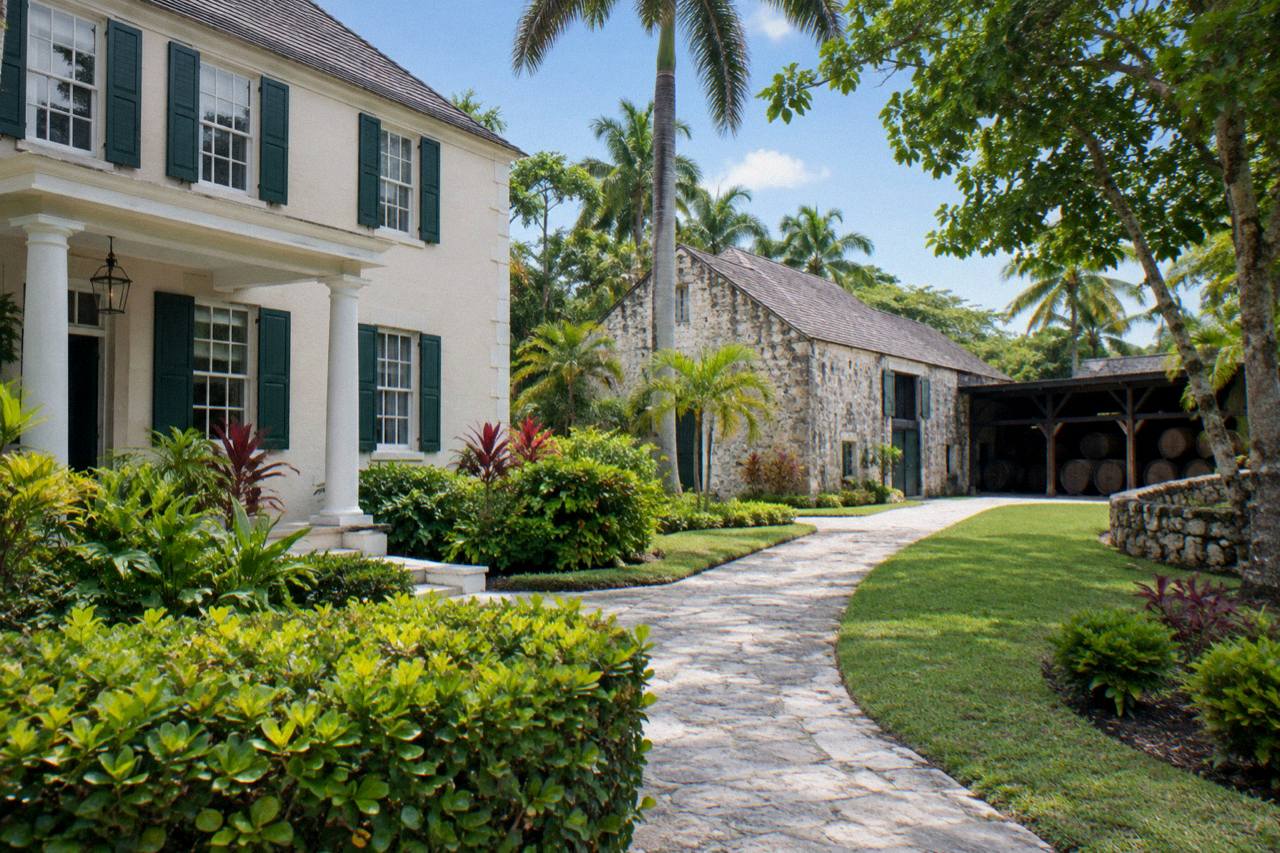
Who Were The Most Famous Rum Runners?
The real names of Nassau's Prohibition-era rum runners, from Bill McCoy to the Bahama Queen, plus where the pirate-era story behind Bahamian rum still shows in the city today.
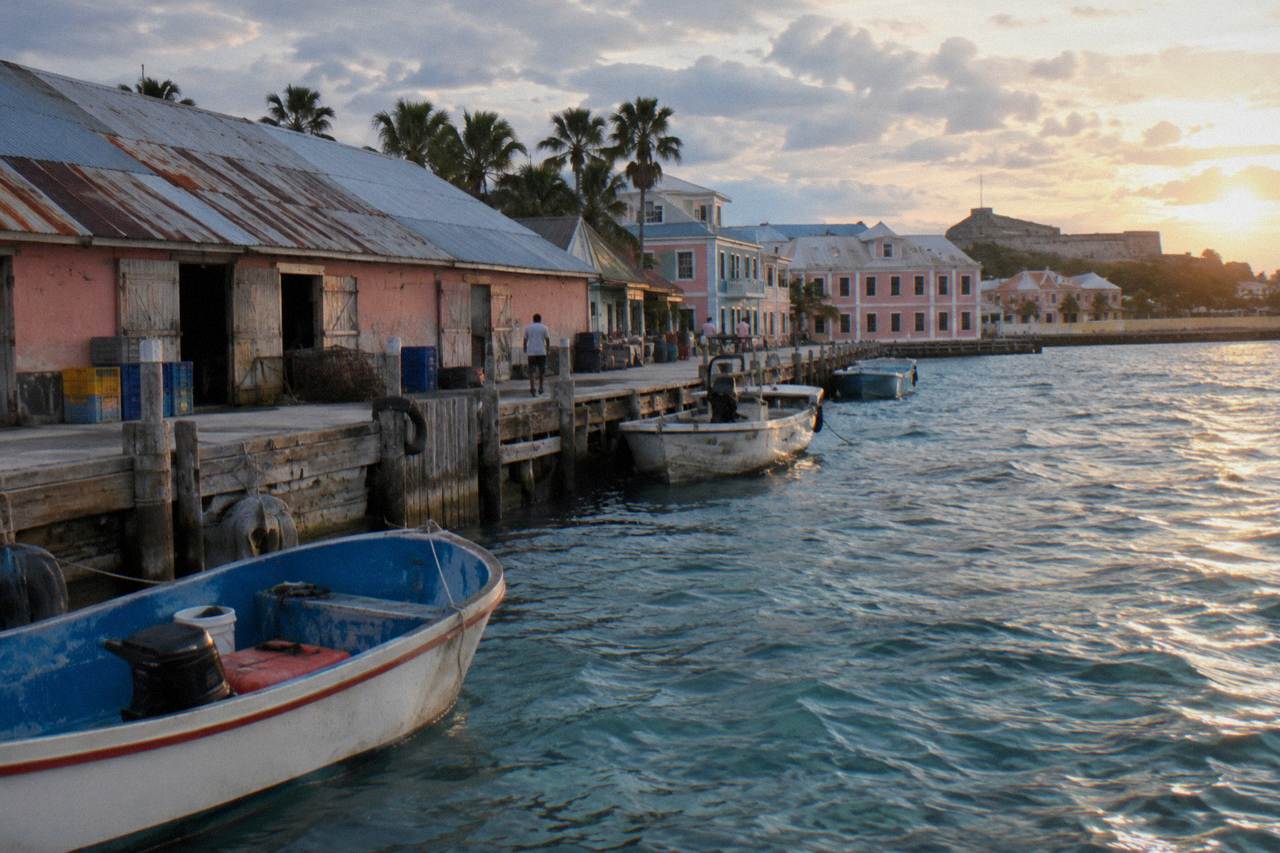
Nassau's harbor once held so much smuggled whisky that Bay Street earned the nickname "Booze Avenue," with warehouses holding an estimated 60,000 cases of whisky and gin at peak times by 1923. The people who moved that cargo are the famous rum runners, and two of them, Bill McCoy and Gertrude "Cleo" Lythgoe, did their most consequential work from Nassau itself. Their story sits a layer above an older one, the pirate republic of 1706 to 1718, and both layers still shape how the city sells rum today. Visitors who want the history with a glass in hand often end up on the Nassau Pirate Rum Adventure, which the listing describes as four unique drinking landmarks including a few pirate secrets, from $110 per person.
The best documented names are William "Bill" McCoy and Gertrude "Cleo" Lythgoe, both operating from Nassau during American Prohibition, 1920 to 1933. McCoy ran liquor ships from Nassau and Bimini and was captured by the US Coast Guard in 1923. Lythgoe, called the Bahama Queen, held the Bahamas' only wholesale liquor license held by a woman and worked from a Market Street warehouse.
McCoy was nicknamed "the Real McCoy." He operated vessels out of Nassau and Bimini, anchored them in international waters for transfers, and, unlike many competitors, reportedly refused to pay bribes to organized crime or officials. His reputation for selling uncut product is the commonly repeated origin of the expression, though that colorful detail is best treated as the legend it has become. What the historical record supports firmly is his capture by the US Coast Guard in 1923, which effectively ended his rum-running career. The encyclopedia entry on McCoy and a Grand Bahama Museum exhibit on bootlegging are the two most useful public sources on him.
Lythgoe is the stranger and, for Nassau, the more local story. She was the only woman to hold a wholesale liquor license in the Bahamas in the 1920s, an extraordinary position in a trade dominated by men. She operated from a rented warehouse on Market Street and from the Lucerne Hotel on Frederick Street, the site of the present Norfolk House. Contemporaries called her the Bahama Queen or the Queen of the Bootleggers. She appears in the same Grand Bahama Museum exhibit that covers McCoy, and in Island Hopper Guides' reporting on how rum running shaped Bahamian identity.
The Lucerne Hotel deserves its own mention. During Prohibition it served as a central hub for rum runners and American gangsters visiting Nassau, and it hosted the annual "Bootleggers Ball." A hotel on a downtown street, hosting a formal ball for the people running contraband liquor out of the harbor, tells you how open the trade was. Prohibition was American law, not Bahamian law, and the liquor business in Nassau was legal, taxed and, in its own way, celebrated.
Why Did Nassau Become A Rum Running Capital?
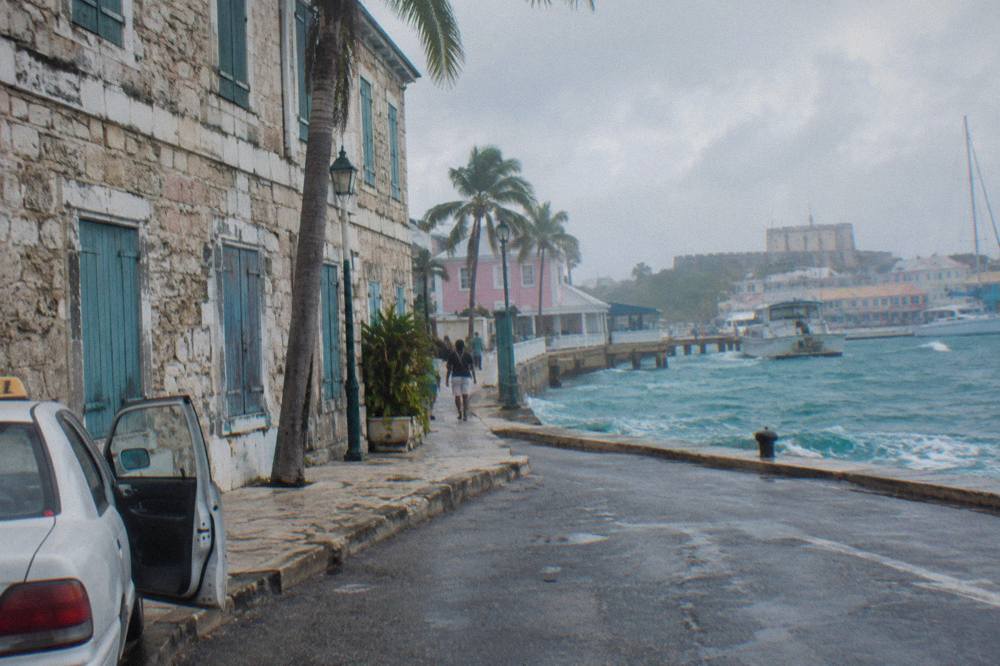
Geography and law made Nassau the natural staging point. The city sits within easy fast-boat range of the Florida coast, and liquor was legal in the Bahamas throughout American Prohibition, 1920 to 1933. Nassau became a primary transshipment point, with Bay Street warehouses holding an estimated 60,000 cases at peak.
The distance matters more than it sounds. Rum runners needed a jurisdiction where they could legally buy and load cargo, and a run to the American coast short enough that a fast vessel could survive it. Nassau offered both. Whisky and gin landed legally at Bahamian ports and left again just as legally for points beyond US territorial waters. Only the final leg into the United States broke American law.
The money transformed the town. Bay Street's nickname, "Booze Avenue," was earned, not invented by later tourism copy.
It is worth pausing on what this era did for Bahamian rum's reputation. The port's own marketing today leans on it, promoting Bahamian rum and rum cakes as "a nod to The Bahamas' days as a rum-running paradise" on the official Nassau Cruise Port site. The smugglers mostly moved whisky and gin rather than local rum, but the romance of the era attached itself to the word rum regardless, and it has never left.
Who Ran The Pirate Republic Before The Rum Runners?
The pirate era's famous names are Benjamin Hornigold and his "Flying Gang," who made Nassau a self-governing pirate base from roughly 1706 to 1718. Their republic ended when Woodes Rogers arrived as royal governor in July 1718 with a Royal Navy escort and offered the King's Pardon, which most pirates accepted.
Nassau was known as the Republic of Pirates, a self-governing base for hundreds of pirates. The Flying Gang, a loose confederation that included Hornigold, turned the harbor's geography into a fortress: the shallow banks and countless hiding cays made it nearly impossible for heavy warships to root out light pirate sloops. HistoryExtra's account of the pirate republic covers this period in detail.
Rogers is the figure who closes the story. A former privateer, he was appointed royal governor of the Bahamas in 1717 and arrived in 1718. He accepted pardons from most pirates, commissioned some former pirates, Hornigold among them, as pirate hunters, and restored British control. Britannica's biography of Rogers is the standard reference.
The rum connection is real, not just marketing. John Watling's Distillery, the working distillery most visitors to Nassau actually encounter, is named after a 17th-century buccaneer called the "Pious Pirate," John Watling. So the pirate layer of Nassau's past is not confined to museums; it is printed on the bottles in the tavern at the Buena Vista Estate. Our longer treatment of this period, with more on the era's legacy, is in the guide to Nassau's rum running history.
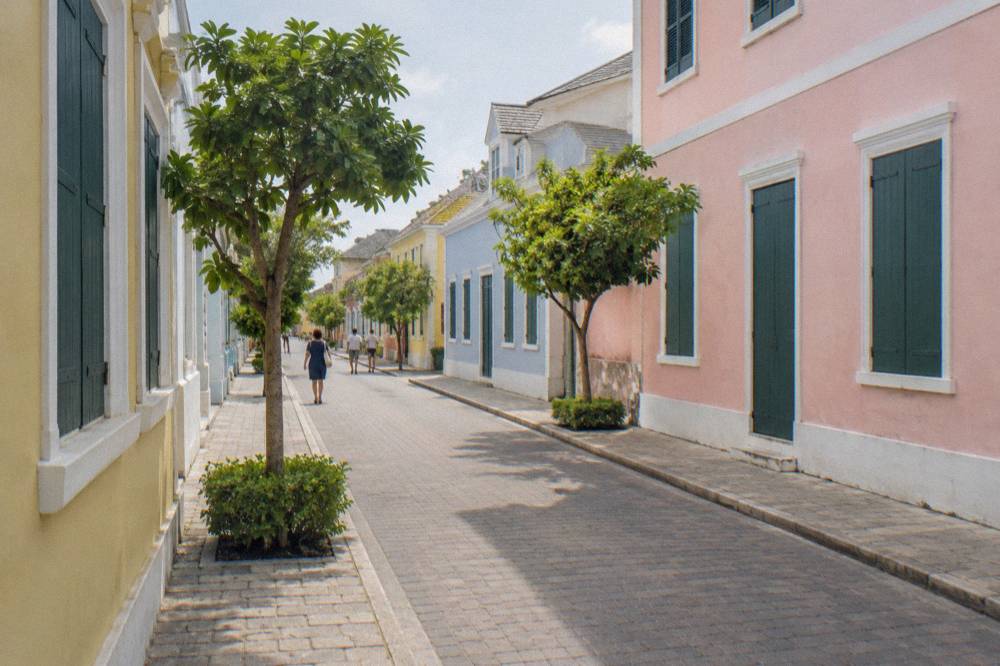
The pirate layer and the rum-running layer are separated by roughly two hundred years, and they should be kept apart. What connects them is Nassau's consistent role as a place where the rules of larger empires bent at the water's edge. The pirates exploited it in the republic years, the rum runners exploited it in the Prohibition years, and the tourism industry monetizes the memory of both today. That continuity is the actual history lesson of the harbor.
Ready to taste the rum named for a pirate?
Where Can You Still See This History In Nassau?
The most direct sites are the Pirates of Nassau Museum at King and George Streets, with a full-size replica pirate ship, and the Buena Vista Estate at 17 Delancy Street, home of John Watling's Distillery since 2013, established in 1789. The Queen's Staircase and Fort Fincastle, both from 1793, carry the colonial-era layer of the same story.
The Pirates of Nassau Museum is a wax-figure attraction with dramatic recreations, artifacts, and exhibits running through the Woodes Rogers era. Self-guided visits take roughly 30 to 60 minutes. Whether it earns its ticket price depends on expectations, a question covered in full in our assessment of the Pirates of Nassau museum. The short version: history-minded adults get more out of it than the marketing suggests, because the exhibits do engage the real pirate republic rather than only the cartoon version.
The Buena Vista Estate works differently. The land was granted by the Royal Governor to the Honourable John Brown in 1789, and the estate later hosted celebrities and appeared in a James Bond film, per the distillery's own heritage page. Today it houses John Watling's small-batch, molasses-based rums, aged in ex-Bourbon barrels, with a storehouse holding over 1,000 white oak barrels. The walk-in tour is free, daily 10am to 6pm excluding Bahamian national holidays, with no reservation needed, and the distillery's visit page lists a complimentary cocktail sample. Paid experiences, booked by time slot, include a 45-minute guided rum tasting at $80 per person and bottle-your-own at $20 per person.
For travelers who want the history narrated with drinks included, a few bookable options do it directly. The Nassau Pirate Rum Adventure, rated 5 from 21 reviews and from $110 per person, builds a three-hour guided run around four drinking landmarks with pirate secrets in the mix, with hotel pickup listed and a cap of 13 guests. The most reviewed history-and-rum tour is the Rum Tasting and Food Walking Tour in Nassau, 4.9 from 1,180 reviews, from $98 per person, which starts at the Buena Vista Estate and folds five rum tastings and three cocktails into a three-hour walk. For history-led sightseeing without alcohol, a 3.5-hour guided half-day tour rated 4.9 from 58 reviews, from $145 per person, covers the colonial sites for travelers pairing it with a separate tasting.
| Figure | Era | Claim to fame | Where to encounter it today |
|---|---|---|---|
| Bill McCoy | Prohibition, 1920 to 1923 | "The Real McCoy," ran liquor ships from Nassau and Bimini, captured 1923 | Historical exhibits and the era's storytelling on harbor walks |
| Gertrude "Cleo" Lythgoe | Prohibition, 1920s | Only woman holding a Bahamas wholesale liquor license, the "Bahama Queen" | Frederick Street area, site of the old Lucerne Hotel |
| Benjamin Hornigold | Pirate republic, 1706 to 1718 | Flying Gang leader, later a pirate hunter for Woodes Rogers | Pirates of Nassau Museum exhibits |
| Woodes Rogers | Governor from 1718 | Ended the pirate republic with the King's Pardon | Pirates of Nassau Museum, colonial Nassau architecture |
| John Watling | 17th century | Buccaneer, the "Pious Pirate," namesake of the distillery | John Watling's Distillery, Buena Vista Estate |
How Did The Rum Running Era End For Nassau?
Prohibition's repeal in 1933 ended the trade almost overnight, since legal American markets removed the profit in smuggling. Nassau's liquor economy then shifted toward legitimate export and, eventually, tourism, with the pirate and rum running past repackaged as heritage rather than commerce.
The end was not a crackdown but a market collapse. When the United States repealed Prohibition, the premium that made dangerous fast-boat runs worthwhile disappeared. The warehouses on Bay Street that had held tens of thousands of cases emptied.
What replaced smuggling was the cruise industry, and the irony is thick. The same harbor that anchored the Flying Gang and McCoy's loading runs now receives ships year-round; the official port site counts six operational berths after the 2023 redevelopment. The port sells the contraband past as souvenir. This is not a criticism, just an observation about how port economies recycle their histories.
The rum itself changed too. The operative distillery experience today is John Watling's, which a 2026 report credited with reviving premium Bahamian rum production, with founding members tied to a multi-generational rum family. The Rum Tasting and Food Walking Tour in Nassau uses that estate as its starting point.
Which Tours Best Combine This History With Rum?
The history-plus-rum field splits into three formats: the pirate-themed adventure from $110 per person, the food and rum walking tour from $98, and the reggae-and-rum party tours from $69.99 to $107. The right pick depends on whether the history or the rum is the point.
For readers who arrived at this article for the names, the Nassau Pirate Rum Adventure is the most on-theme product. The listing describes four unique drinking landmarks including pirate secrets, admission tickets included, in a 13-guest group over three hours, rated 5 from 21 reviews. For the Prohibition and colonial layers rather than the pirate layer, the Rum Tasting and Food Walking Tour in Nassau covers the distillery and downtown on foot with a rum tutorial and mixology session built in.
Travelers comparing those two should weigh stamina and tone. The walking tour is three hours on foot from the Buena Vista Estate, minimum age 18, up to 12 guests, with conch fritters, infused appetizers and rum cake listed among the snacks. The pirate adventure moves by private vehicle with hotel pickup listed and bottled water included, though lunch is not, and local food can be purchased along the route. Families with non-drinkers or teens have other options entirely, covered in our guide to rum tours in Nassau with kids and non-drinkers.
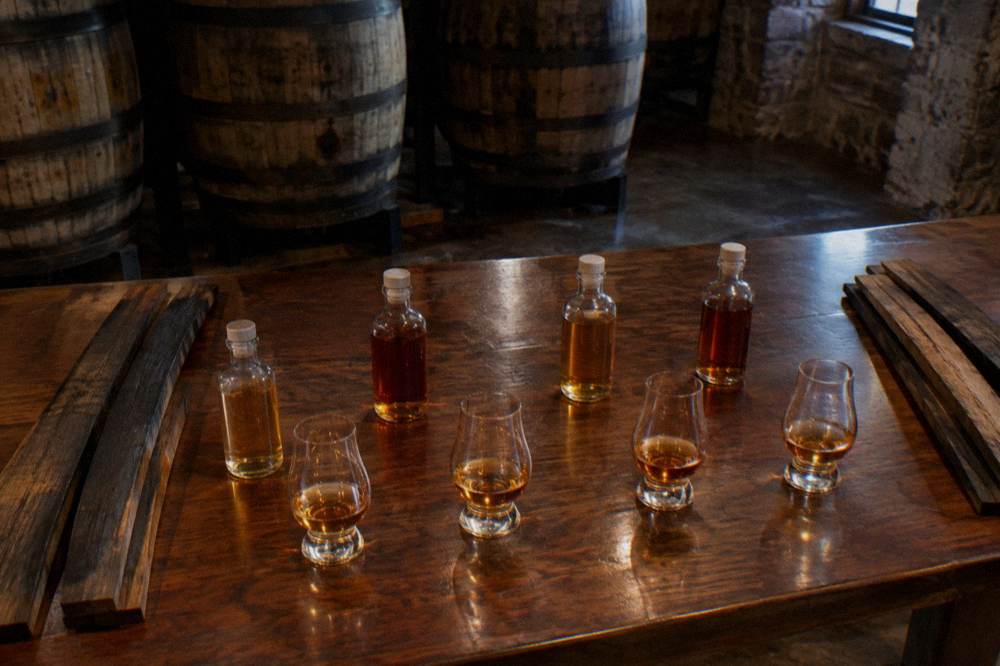
There is also a self-guided middle path that costs almost nothing. The free walk-in tour at John Watling's plus the Queen's Staircase, hand-carved from 1793 to 1794 by roughly 600 enslaved laborers, and Fort Fincastle, built in 1793, form a walking loop from the cruise port that covers the genuine historic fabric. A paid guided experience then adds the tasting education on top. The trade-offs between the free estate visit and the paid 45-minute tasting, $80 per person per the distillery's visit page, are laid out in our comparison of the free and paid John Watling's options.
| Tour | Format | Price | Rating | Best for |
|---|---|---|---|---|
| Nassau Pirate Rum Adventure | 3 hours, vehicle, up to 13 guests, hotel pickup listed | from $110 per person | 5 from 21 reviews | Pirate-history focus with drinks |
| Rum Tasting and Food Walking Tour in Nassau | 3 hours, on foot, up to 12 guests, minimum age 18 | from $98 per person | 4.9 from 1,180 reviews | Distillery history plus tasting education |
| Historical Sightseeing Guided Half-Day Tour | 3.5 hours, van, port pickup and drop-off listed | from $145 per person | 4.9 from 58 reviews | Colonial history without alcohol |
| Junkanoo Party Bus Rum Beach Vibes | 4.5 hours, party bus, minimum age 18 | from $69.99 per person | 4.5 from 24 reviews | Rum and atmosphere over history |
What Should History Buffs Know Before Booking?
Match the product to the era you care about. Pirate-era travelers want the museum and the pirate adventure; Prohibition-era travelers will find more substance in harbor and downtown walking formats. Check each listing's minimum age, since several history-adjacent tours set 18, and cruise passengers should confirm timing against their ship's all-aboard.
A practical note on ages: the drinking age in the Bahamas is 18, and each tour sets its own minimum, with several history-adjacent tours stating 18. Cruise lines apply their own rules on board, commonly 21, so an 18-year-old sailing guest can face different limits ashore and on the ship within the same day. That wrinkle is unpacked in our piece on drinking at 18 on a Bahamas cruise.
Timing is the other practical constraint. A three or four hour tour fits a port day but leaves little slack, so check your ship's call times first. General port-day guidance is to reach the terminal about 45 to 60 minutes before the posted all-aboard time on foot, longer if returning by vehicle. Booking a product with free cancellation listed, which every tour named in this article carries on its listing, protects against itinerary changes.
Finally, keep expectations of the history realistic. No tour recreates McCoy's decks or Lythgoe's warehouse; those are gone. What the good products do is stand you in the places where the story happened, the estate, the harbor, the old streets, and pour Bahamian rum while someone explains why any of it mattered. The distillery's daily cannon firing by the West India Regiment, an afternoon salute tradition held at the estate, is about as close to living history as the island serves.
Common Questions About The Famous Rum Runners
Who Were The Most Famous Rum Runners?
Bill McCoy, "the Real McCoy," who ran liquor ships from Nassau and Bimini until his 1923 capture, and Gertrude "Cleo" Lythgoe, the "Bahama Queen," the only woman holding a Bahamas wholesale liquor license in the 1920s. Both worked from Nassau during American Prohibition, 1920 to 1933.
Why Was Nassau Called Booze Avenue?
Bay Street warehouses held an estimated 60,000 cases of whisky and gin at peak times by 1923, earning the street the nickname "Booze Avenue" while Nassau served as a primary transshipment point for liquor into Prohibition America.
Was Rum Running Legal In The Bahamas?
Yes, the liquor trade itself was legal and taxed in the Bahamas throughout American Prohibition. Only the final delivery into US waters broke American law, which is why Nassau could openly host the trade and even a "Bootleggers Ball" at the Lucerne Hotel.
Who Was The Bahama Queen?
Gertrude "Cleo" Lythgoe, called the Bahama Queen or Queen of the Bootleggers. She operated from a rented Market Street warehouse and the Lucerne Hotel on Frederick Street in the 1920s and was the only woman to hold a wholesale liquor license in the Bahamas.
What Ended The Pirate Republic In Nassau?
Woodes Rogers arrived as royal governor in July 1718 with a Royal Navy escort and offered the King's Pardon. Most pirates accepted, some were commissioned as pirate hunters, and British control was restored, ending the republic of roughly 1706 to 1718.
Can You Visit Places Tied To The Rum Runners Today?
Partly. The Lucerne Hotel site on Frederick Street and the old Bay Street warehouse district survive as locations, while the Pirates of Nassau Museum and John Watling's Distillery at the 1789 Buena Vista Estate carry the era's story directly, the distillery with a free walk-in tour daily 10am to 6pm excluding Bahamian national holidays.