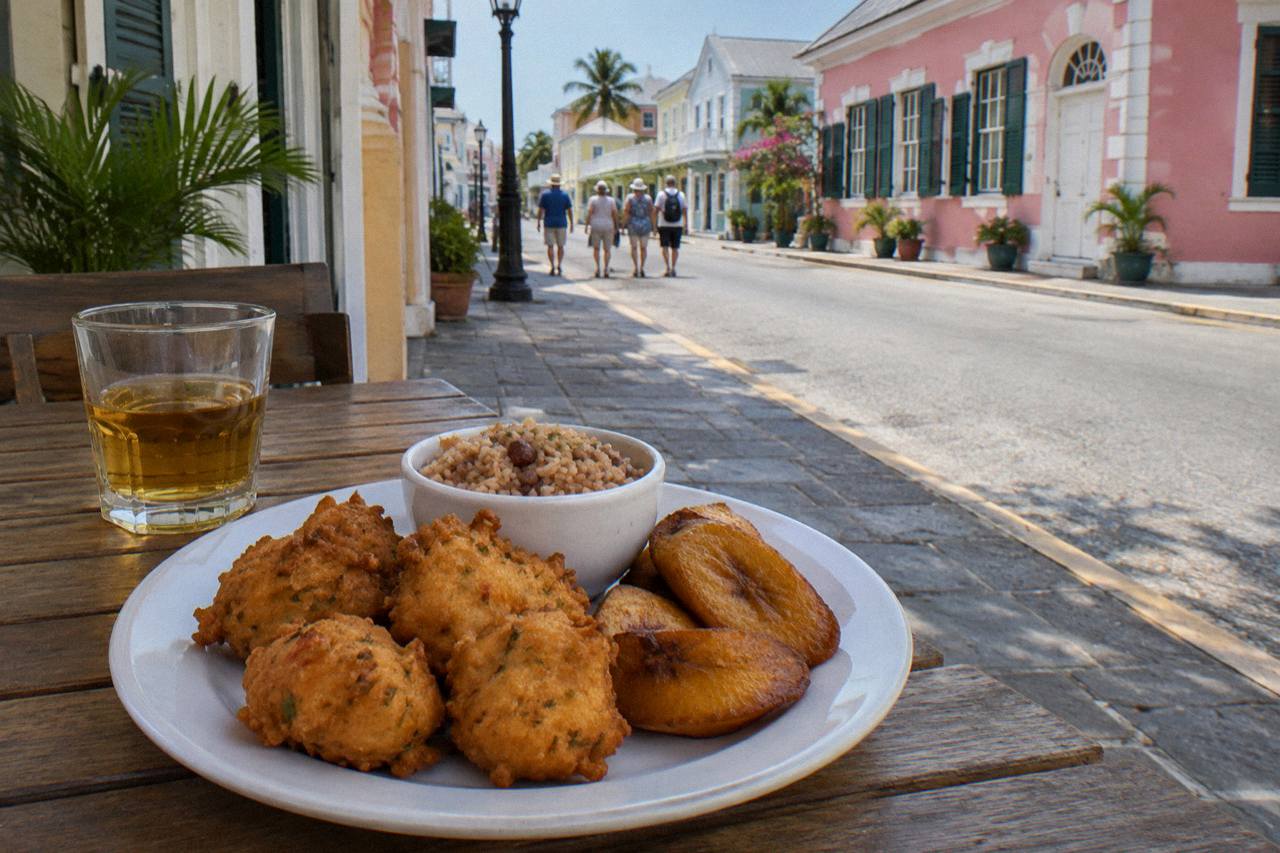
What Is The Best Month To Go To Nassau?
A month-by-month look at Nassau weather, hurricane season, cruise crowds and rum tour availability, with a straight answer on the best time to visit.
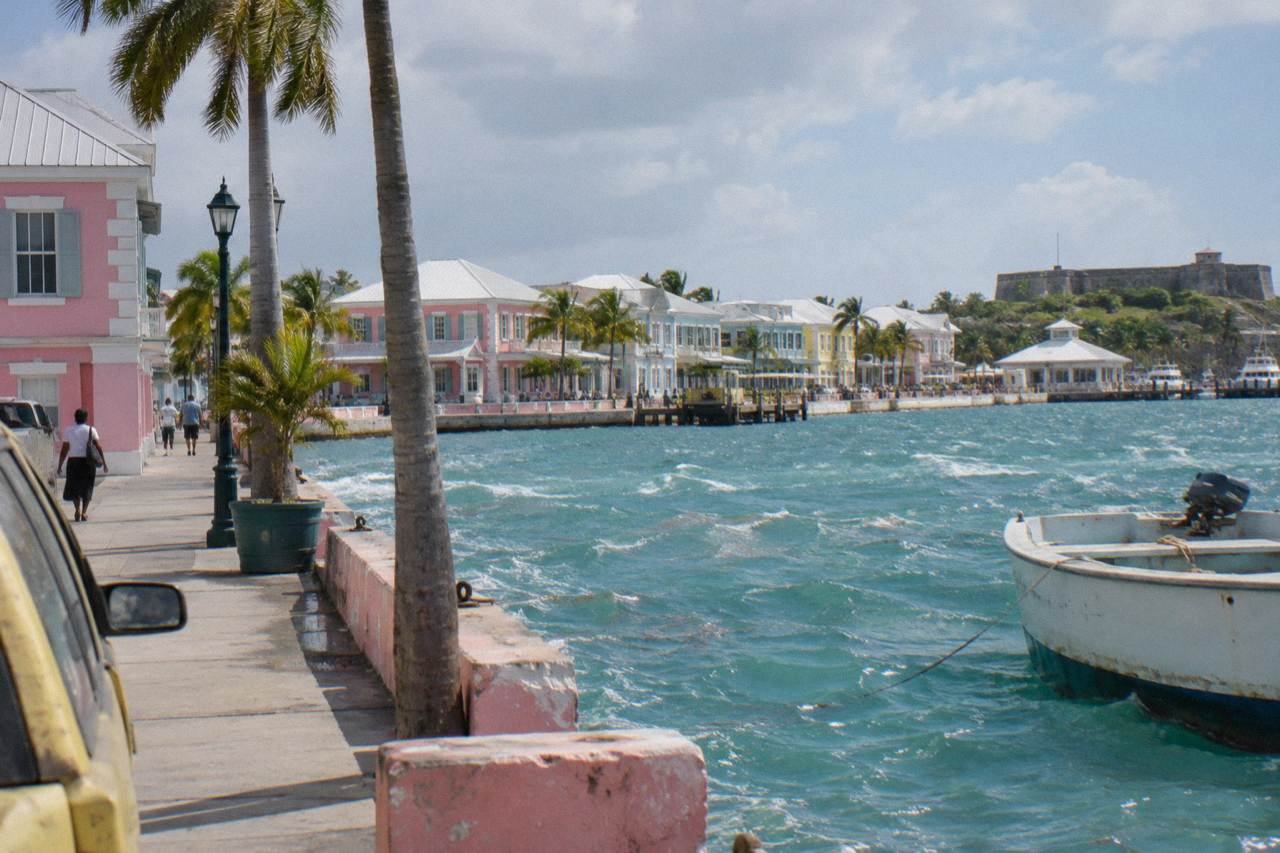
Nassau takes cruise ships on every day of the year, so there is no month when the town simply shuts down. What changes is everything around your visit: the heat, the humidity, the rain, the number of ships at the pier, and how easily you can walk from a rum tasting to a beach stop without melting or getting soaked. The answer to the timing question has three parts, and they do not all point to the same month.
Dry, comfortable weather clusters from mid-December through mid-April, which is also when the most ships call. Hurricane season runs June 1 through November 30, with the peak risk from mid-August to mid/late October and September historically the highest-risk month for the northern and central Bahamas. The months between those two poles, late April, May and November, are the shoulder: fewer visitors, with late April and May falling before the season opens and November at its tail. Rum tours run in all of it, because the tastings, distillery visits and cocktail classes are indoors or short-outdoor formats that do not need perfect weather.
If you want the most reliable weather, book between mid-December and mid-April: that is the dry season, with high temperatures typically in the high 70s to low 80s Fahrenheit and lower humidity. If you want thinner crowds, late April, May and November are the shoulder months worth naming, with November sitting just outside peak hurricane risk. There is no single winner, only the trade you prefer.
That trade is the whole decision. The dry season gives you the postcard version of Nassau, blue skies, dry walking tours, beach stops that actually happen. It also gives you the busiest version. Bay Street between the pier and Parliament carries the main walking crowd from roughly 9:30 a.m. to 3 p.m. on ship days, and in the peak winter months the port can see six or seven ships at once on some days. You will share John Watling's Distillery, the Queen's Staircase and every rum bar downtown with a lot of people who had the same idea.
The shoulder months flip that equation. Late April and May sit after the winter rush and before the storm season builds, and the temperatures climb into the wetter, more humid pattern that runs roughly May through October, with afternoon showers possible and highs often in the high 80s to low 90s. November sits on the far side of the peak storm window, though it is still technically inside the season, which ends November 30. What you get for that small gamble is a Nassau that feels half empty by comparison, and tour time slots that are easier to book on short notice.
For a trip built around rum specifically, weather matters less than you might think. The featured Rum Tasting and Food Walking Tour in Nassau, 3 hours, from $98 per person, 4.9 from 1,180 reviews, is a walking format, but much of its time is spent at tasting stops such as the distillery. The same goes for the mixology classes and the distillery tasting sessions, all 45 minutes to 2 hours and under a roof. Weather mostly decides whether the beach stop on your island tour is pleasant or brief.
Which Months Have The Best Weather In Nassau?
The driest, most comfortable stretch runs mid-December through mid-April, when highs typically sit in the high 70s to low 80s Fahrenheit and humidity drops. From May through October the pattern shifts to hotter, more humid days, highs often 85 to 91 Fahrenheit, with a higher chance of afternoon showers. Weather here is tropical, so plan around patterns rather than cold versus warm.
Nassau has no cold season, which is half the reason people go. The other half of the year is not bad, just different. In the May to October window the mornings are usually bright, the heat builds through midday, and rain, when it comes, tends to arrive as heavy showers rather than all-day drizzle, then clear. Visitors who book morning tour slots in these months mostly dodge the worst of both the heat and the showers. A 9 a.m. walking tour beats a 1 p.m. one in July, not because of the rain but because of the sun.
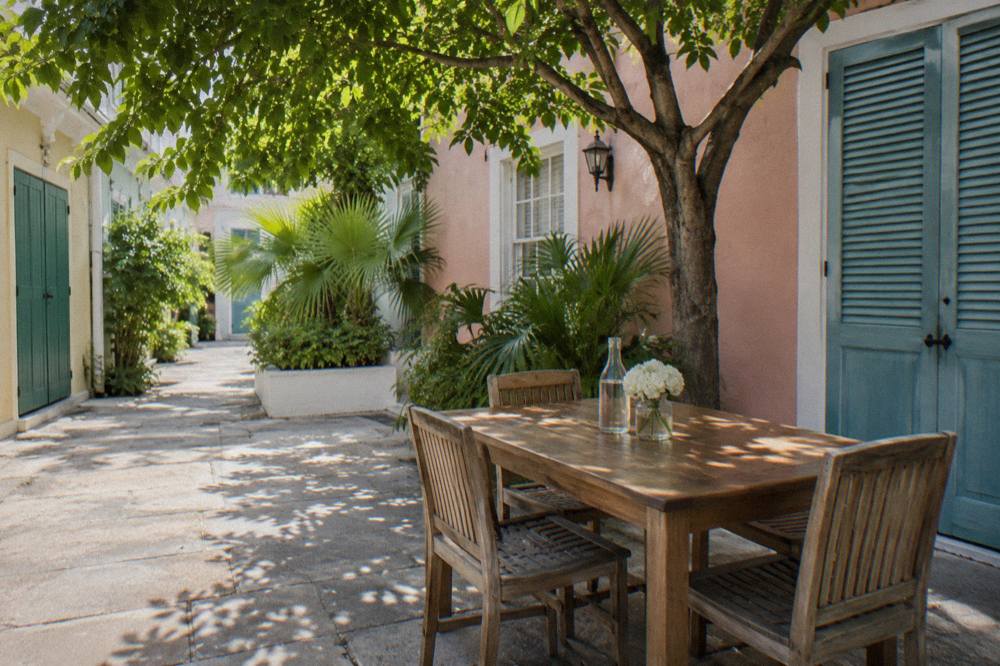
The dry season is the easy recommendation for anyone whose itinerary leans on outdoor time: the beach stops on the island tours, the ATV and buggy tours, the Junkanoo party bus with its hour and a half beach stop. The Nassau Island Highlights Tour With Rum Tasting, from $80 per person, 2.5 hours, 4.8 from 49 reviews, spends part of its time in the open air between tasting stops, and it is a better product on a dry-season day than in the high heat of summer. The same logic applies to the ATV tours, from $150 and from $250 per person, which are almost entirely outdoors.
For the indoor-heavy formats, the weather barely registers. The John Watling's tasting sessions, the mixology classes, the Graycliff cigar and rum demonstration, the speakeasy tastings downtown, all of these run the same in January and in July. The practical difference is the walk to them. The distillery's own directions page describes the route from the cruise port as a 10 to 15 minute walk uphill, and in the wet months that walk is hot even when it is dry, so the taxi option, which the distillery states runs about 5 minutes and around $8 to $10, earns its money from June through October.
Rain, when it arrives in the wet months, rarely cancels anything. Free cancellation is listed on every tour here, so a washed-out morning is a reschedule problem rather than a lost booking. The one planning note that matters: build a little slack into any port day, because a storm delay eats time faster than rain eats enjoyment.
Wondering whether to lock in a date? Free cancellation is listed on this tour, so you can book the month that tempts you and adjust later.
When Is Hurricane Season And Should You Plan Around It?
The Atlantic hurricane season runs June 1 through November 30, and the peak risk for the northern and central Bahamas falls from mid-August to mid or late October, with September historically the highest-risk month. It is a real factor but not a ban: most visits in these months happen without a storm, and cruise itineraries reroute rather than sail into one.
The word "hurricane" does more damage to bookings than storms do to vacations, but it deserves respect on its own terms. A September trip carries a genuinely higher statistical risk than a February one, and travelers who cannot easily rebook, especially those flying in for a fixed resort week, should weigh that carefully. Cruise passengers carry less risk: ships track the forecasts days out and swap ports, so the realistic downside of a September sailing is a different island, not a rough night at sea.
Within the season, the risk is not flat. June and July sit well below the peak. Late August through late October is the heart of it. November, especially mid-to-late November, trends quiet as the season winds down, which is why it earns its shoulder-month reputation: post-peak storm odds and pre-peak crowds. If you want the shoulder gamble, May falls before the season opens on June 1, so it carries less storm risk than November, and it is warmer too.
What does the season mean for rum tours specifically? Almost nothing structurally. The distillery keeps its daily hours, 10 a.m. to 6 p.m., closed on Bahamian national holidays, as its visit page states, and the paid Rum Academy experiences run year-round by time slot. Every tour here shows free cancellation, which is the detail that makes shoulder-month booking low-stakes: a storm forecast five days out means you cancel and rebook, not eat the cost. The John Watling's free visit and paid experiences guide breaks down what the free walk-in covers versus the paid sessions, and that split holds in every month.
If the storm months appeal for their quiet, a weatherproof format is the smart pick. The island highlights tour mentioned earlier is mostly vehicle-based with short outdoor stops, which suits a month where a shower can appear without much notice.
How Do Cruise Crowds Change Through The Year?
Nassau receives cruise ships every day of the year, but winter is peak: up to six or seven ships on some days in the busiest months, with the port's walking-crowd window on Bay Street running roughly 9:30 a.m. to 3 p.m. Late April, May, September and early November run noticeably quieter, and the shoulder months are when tour time slots are easiest to get.
The port itself is built for volume. The redeveloped terminal at Prince George Wharf, which had its grand opening in May 2023, places arriving passengers within walking distance of downtown, Parliament Square and Bay Street, as the official port site describes. That walkability is a double-edged sword in peak season: everything you want is close, and so is everyone else. The distillery, a 10 to 15 minute uphill walk from the terminal per its directions page, absorbs a steady stream of independent visitors on top of the organized tours in the winter months.
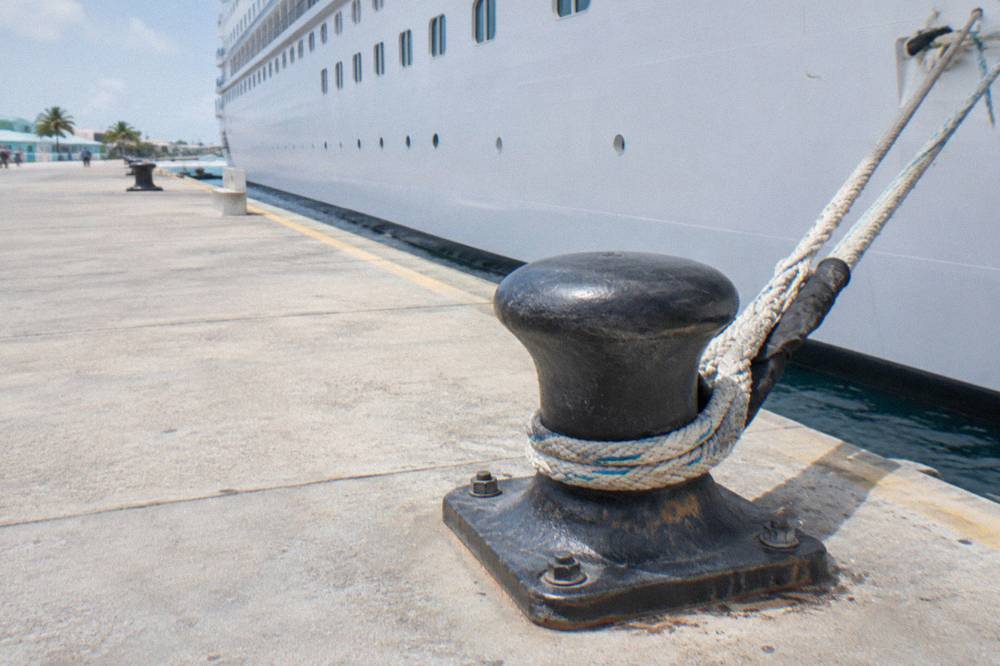
Crowd timing changes how you should book. In peak winter months, the small-group formats fill first. The featured food and rum walking tour caps at 12 guests, and the private speakeasy tasting caps at 12 as well, so small groups like these leave little room for last-minute bookings. Booking two or three weeks ahead in high season is reasonable, earlier around holidays. In May or November you can often book the same tours a day or two out and pick your preferred time slot.
The crowd rhythm inside a single day matters more than the month. The Bay Street crush runs from mid-morning to mid-afternoon on ship days, so a tour that starts at 9 a.m. or after 3 p.m. sees a calmer downtown regardless of season. The cruise-stop planning guide covers how to match tour length to your all-aboard time, and the rule of thumb there holds in every month: leave a buffer, walk back early, and let the schedule breathe.
One counterintuitive note: the quietest months are not always the cheapest for tours. Tour prices here run from $20 per person for the bottle-your-own session to $250 for the ATV tour with rum tasting, and the booking page shows the price for your date. What swings is availability and, on the hotel side, room rates. The value of a shoulder-month trip is thinner crowds and easier bookings, not cheaper tastings.
What Does Each Month Look Like For Rum Tours?
The short version: December through April is the reliable, busy, fully-booked season; May through July is hot but manageable with morning slots; August through October is peak storm season and the quietest; November is the recovery month with the best quiet-weather balance. Every rum tour here runs year-round, with free cancellation listed across the board.
Here is the year in one table, focused on what actually changes for a rum-focused visitor rather than generic weather chatter.
| Month(s) | Weather pattern | Crowd level | Rum tour planning note |
|---|---|---|---|
| Mid-December to mid-April | Dry season, highs typically high 70s to low 80s, lower humidity | Peak; up to 6 to 7 ships on some days | Book small-group tours 2 to 3 weeks out; beach stops reliable |
| Late April to May | Warming, more humid, chance of afternoon showers | Shoulder, thinning out | Easier bookings; prefer morning slots for outdoor formats |
| June to July | Hot, highs often 85 to 91, humid, scattered showers | Moderate | Early hurricane season but risk still low; indoor tastings unaffected |
| Mid-August to October | Peak storm-risk window, September historically highest | Quietest of the year | Free cancellation on every tour makes rebooking low-stakes |
| November | Post-peak, storm season winding down to November 30 | Shoulder, recovering | Best quiet-weather balance; distillery walk best done early |
Two details behind that table deserve spelling out. First, "quiet" in Nassau is relative: the port takes ships 365 days a year, so even a slow September Tuesday has a downtown with open bars, running tours and a distillery pouring from 10 a.m. The quiet months are quiet by Nassau standards, not by small-town standards. Second, the distillery closes on Bahamian national holidays, per its official site, and holiday dates cluster in ways that can surprise a winter or shoulder booking, so a quick check of the holiday calendar before you pin a date is worth the two minutes.
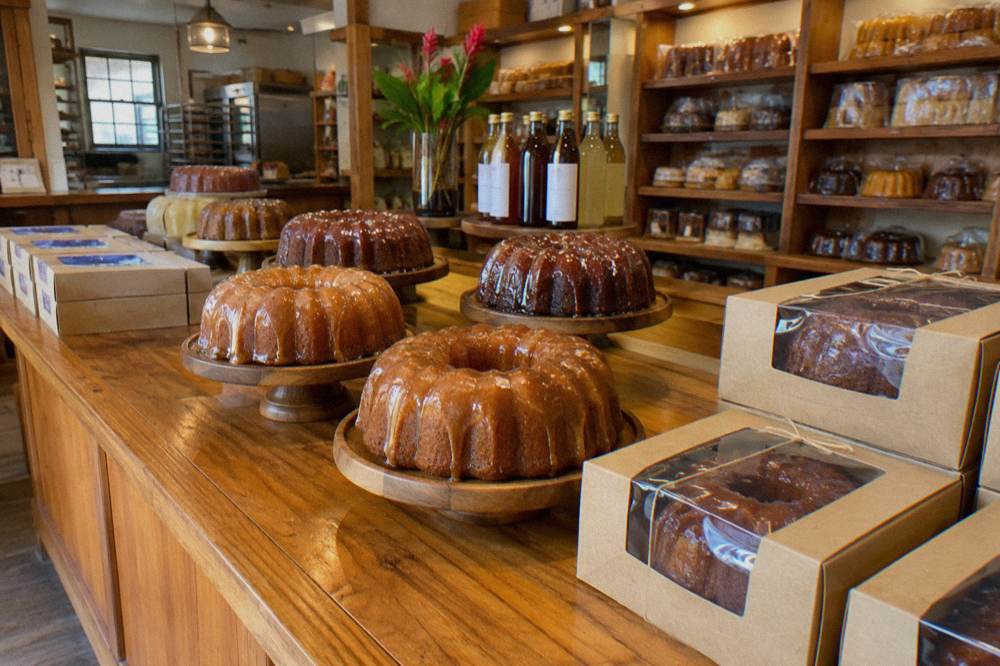
The food side of a food-and-rum trip also shifts slightly by season, though less than you would guess. The what to eat in Nassau guide covers conch, rum cake and the Fish Fry at Arawak Cay, and nearly all of it is available year-round; one seasonal note worth knowing is that sorrel, the spiced hibiscus drink, is most associated with the Christmas period, so a December visit pairs the dry season with the fullest Bahamian drinks calendar. Rum cake, happily, has no season, and the Bahamas Rum Cake Factory's free samples flow every day the bakery is open.
Which Month Suits Your Trip Type Best?
For a beach-plus-rum combination, book mid-December to mid-April. For a walking, tasting and history trip where weather matters less, the shoulder months of May and November give you more elbow room. For a party-format tour with music and rum punch, any month works, but the dry season makes the beach and board segments more fun. Match the month to the format, not the other way around.
Start from what you actually booked. If your heart is set on the Rum Reggae and Rhythms format, 4 hours of reggae, dancing and the operator's rum punch, from $73 per person with 4.6 from 691 reviews on the main shared tour, the dry season is genuinely better: part of the appeal is the atmosphere, and atmosphere is easier in the comfortable dry-season range than in the high heat of summer. If instead you are planning around the John Watling's tasting, a mixology class or the Graycliff cigar and rum session, all indoor and all short, the calendar is close to irrelevant and you should let price and crowd logic pick the month for you.
Cruise passengers get the least choice of anyone, since the line picks the date, but they also carry the least weather risk, since ships reroute around storms. If your sailing falls in the peak-risk months of September or early October, pick tours with generous timing buffers and confirm the meeting point in advance; Parliament Square and Woodes Rodgers Walk are both common meeting points. If it falls in the winter peak, book the small-capacity tours before you sail, because the 12-guest walking tour will not have room for your decision made on the pier.
The party-format reggae tour has the largest review pool after the featured walking tour.
For resort-based visitors with flexible dates, the calculus is simpler. You are choosing between dry-season weather and the quiet of late April, May and November, and both are defensible. The one group who should think hardest: travelers booking non-refundable flights and hotels in September or early October. For everyone else, the storm season is a reason to check the forecast, not a reason to stay home. Whatever month you land on, the comparison of formats on Nassau Rum Tours is the fastest way to see which tasting, tour or class fits the dates you have.
Common Questions About The Best Month To Visit Nassau
What Is The Best Month To Go To Nassau?
Mid-December through mid-April for the most reliable weather, and late April, May or November for thinner crowds. There is no single best month, only the trade between dry-season comfort and shoulder-season quiet that suits your trip.
When Is Hurricane Season In Nassau?
The Atlantic hurricane season runs June 1 through November 30, with peak risk from mid-August to mid or late October and September historically the highest-risk month for the northern and central Bahamas.
Do Rum Tours Run In The Rainy Months?
Yes. Tastings, mixology classes and distillery visits are mostly indoor formats and operate year-round, and every tour here lists free cancellation, so a storm forecast means rebooking rather than losing your money.
Is Nassau Crowded In Winter?
Winter is the cruise peak, with up to six or seven ships on some days and the downtown walking-crowd window running roughly 9:30 a.m. to 3 p.m. Book small-group tours in advance during these months.
Which Month Is Cheapest For A Nassau Rum Tour?
Tour prices range from $20 per person for the bottle-your-own session to $250 for the ATV tour, and the booking page shows the price for your date. Shoulder months bring cheaper rooms and easier availability rather than cheaper tastings.